The Science of Algae Nutrition: Spirulina vs Chlorella
-
by John Mike
-
June 09, 2026
-
277 comments
-
9 Minutes read
-
432 views
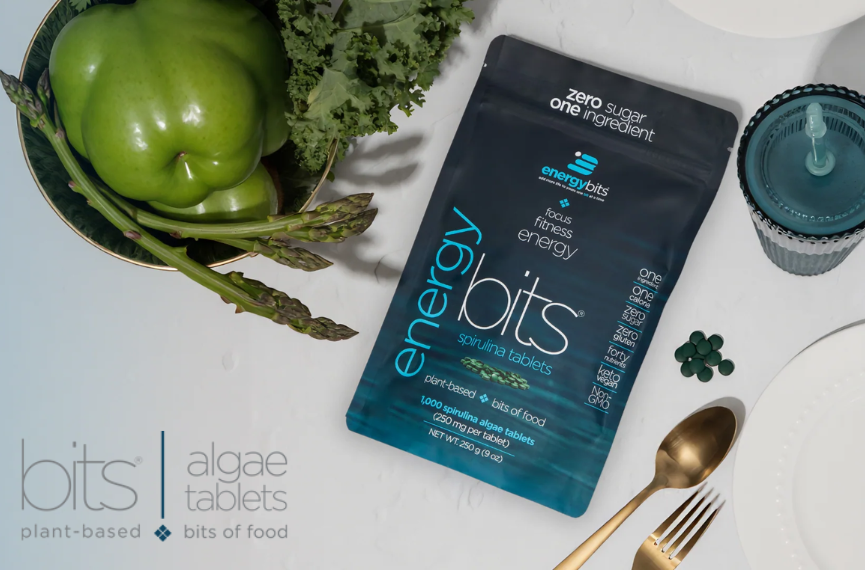
In the vast landscape of nutrition, few foods have stood the test of time like algae. Long before kale salads and green juice became trendy, ancient civilizations were harvesting algae for sustenance. Today, as modern science catches up with ancient wisdom, organizations like NASA and the United Nations have recognized algae as the most nutrient-dense food on the planet. But when you are standing in the wellness aisle or browsing online, you are often faced with a choice: spirulina vs chlorella.
Are they the same thing? Do you need both? Which one is better for energy, and which one handles detox?
At ENERGYbits, we believe that understanding the science behind your food empowers you to make better choices for your biology. While both spirulina and chlorella are microscopic algae packed with health benefits, they are biologically distinct organisms with different nutritional profiles and functions. This guide will take a deep dive into the cellular mechanics of these superfoods, exploring the evidence-based reasons why they are essential for modern health.
The Biological Basics: What Are They?
To understand the comparison of spirulina vs chlorella, we first need to look at their biological classification. They might both be green (or blue-green) and grow in water, but that is where the similarities end.
Spirulina: The Ancient Bacteria
Spirulina (Arthrospira platensis) is technically a cyanobacterium, often referred to as blue-green algae. It is one of the oldest life forms on Earth, dating back over 3 billion years. Spirulina is a multicelled organism that grows naturally in high-pH, alkaline fresh water.
-
Structure: Spirulina has no cellulose cell wall. Its cell membrane is composed of mucopolysaccharides (complex sugars) that are soft and easily dissolved by human digestive enzymes.
-
Implication: This lack of a hard wall means spirulina’s nutrients are almost instantly bioavailable. Your body doesn't have to work hard to extract the "good stuff," making it an incredibly efficient source of energy.

Buy Now
Chlorella: The Complex Plant
Chlorella (Chlorella pyrenoidosa or vulgaris) is a single-celled green algae that emerged much later in evolutionary history. It is a true plant, complete with a nucleus.
-
Structure: Chlorella has an exceptionally tough, indigestible outer shell made of cellulose.
-
Implication: For humans to digest chlorella, this cell wall must be cracked. However, this tough wall is also chlorella’s superpower. It acts as a magnet for toxins, binding to heavy metals and carrying them out of the body. ENERGYbits uses sound vibration technology to crack this wall without using heat, preserving the delicate nutrients inside.

Buy Now
Nutritional Showdown: Spirulina vs Chlorella
While both algae are complete proteins and rich in vitamins, their specific nutrient densities lean in different directions.
Spirulina: The Energy and Protein Powerhouse
Spirulina is renowned for having the highest concentration of protein of any food on the planet, about 60-70% by weight.
-
Amino Acid Profile: It contains all nine essential amino acids, making it a complete protein. This is rare for plant-based sources.
-
Micronutrients: It is exceptionally rich in B vitamins (particularly B1, B2, and B3), which are crucial for metabolic energy production. It is also a potent source of Iron and GLA (Gamma-Linolenic Acid), an essential fatty acid that supports brain health and reduces inflammation.
-
Pigment: Its blue pigment comes from Phycocyanin, a powerful antioxidant known to inhibit the enzyme responsible for inflammation (COX-2).
Scientific Verdict: Spirulina acts as a "charging station" for your mitochondria. It provides the raw materials (amino acids and B vitamins) needed for ATP production, giving you mental and physical energy.
Chlorella: The Detox and Immune Specialist
Chlorella holds the title for the highest concentration of chlorophyll of any plant on Earth up to 4-5 times more than spirulina and significantly more than spinach or kale.
-
Chlorophyll: This green pigment is chemically similar to human hemoglobin. It helps oxygenate the blood, supports liver function, and accelerates wound healing.
-
Chlorella Growth Factor (CGF): This is a unique nucleotide-peptide complex found only in chlorella. CGF stimulates rapid cellular regeneration and repair. This is why chlorella can quadruple itself every 20 hours. In humans, CGF supports tissue repair and RNA/DNA synthesis, which is vital for longevity.
-
Vitamin K2 and B12: Chlorella is one of the few plant sources of bioavailable Vitamin B12 and Vitamin K2, essential for bone health and blood clotting.
Scientific Verdict: Chlorella acts as the "cleanup crew." Its high chlorophyll and fibrous cell wall work to remove environmental toxins, while CGF repairs the damage those toxins may have caused.
The Mechanisms of Action
Understanding the nutrient profile is one thing, but how do these algae actually work inside the human body? Let’s look at the specific physiological mechanisms.
1. How Spirulina Boosts Energy and Brain Function
The energy boost from spirulina isn't a stimulant rush like caffeine; it is cellular nourishment.
-
Nitric Oxide Production: Research indicates that the antioxidants in spirulina can increase the bioavailability of nitric oxide. This molecule relaxes blood vessels (vasodilation), improving blood flow to muscles and the brain. Better blood flow means more oxygen and glucose delivery to cells, resulting in better endurance and focus.
-
Neuroprotection: The high levels of Phycocyanin in spirulina have been shown to cross the blood-brain barrier. Studies suggest this antioxidant can scavenge free radicals in the brain, potentially protecting against neurodegenerative decline and "brain fog."
2. How Chlorella Facilitates Detoxification
In the debate of spirulina vs chlorella for detox, chlorella is the clear winner due to a process called chelation.
-
Heavy Metal Binding: The outer cell wall of chlorella contains acidic polysaccharides that have a high affinity for heavy metals like mercury, lead, cadmium, and uranium. When chlorella is ingested, these toxins bind to the cell wall in the digestive tract and are excreted rather than absorbed into the bloodstream.
-
Immune Modulation: Chlorella stimulates the activity of Natural Killer (NK) cells and macrophages, the white blood cells responsible for fighting infections. Clinical studies have shown that short-term supplementation with chlorella can increase secretory IgA concentrations in saliva, improving the body's first line of defense against pathogens.
Spirulina vs Chlorella: Which One Should You Choose?
The decision ultimately depends on your specific health goals and the time of day. Because they function differently, many health experts, including the team at ENERGYbits, recommend using them in tandem.
Choose Spirulina (ENERGYbits) If:
-
You need energy: You are struggling with fatigue, lethargy, or the afternoon slump.
-
You want focus: You have a demanding job or studies that require deep concentration.
-
You are an athlete: You need a pre-workout fuel source that won't weigh you down or cause digestive distress.
-
You are hungry: You want a low-calorie, high-protein snack to curb appetite (spirulina satisfies hunger hormones).
Choose Chlorella (RECOVERYbits) If:
-
You need detox: You live in an urban environment, eat processed foods, or want to cleanse heavy metals.
-
You want to boost immunity: It is flu season, or you feel run-down.
-
You want better sleep: The magnesium and tryptophan in chlorella can support relaxation.
-
You drank alcohol: Chlorella can help process alcohol and reduce hangovers by supporting liver function.
-
You are recovering: You had a hard workout and want to speed up muscle repair.
The Importance of Quality and Sourcing
When discussing the science of algae, we cannot ignore the variable of quality. Algae are bioaccumulators; it absorbs everything from their environment. This is why it is excellent at detoxing your body, but it is also why where it is grown matters immensely.
If algae is grown in polluted water or open irrigation channels, it will absorb toxins before it ever reaches you. Furthermore, many commercial brands use high heat to dry the algae, which denatures the enzymes (like superoxide dismutase) and destroys the sensitive phytonutrients.
The ENERGYbits Standard:
-
Cultivation: Our algae is grown in Taiwan in fresh, triple-filtered spring mountain water, protected from agricultural runoff and air pollution.
-
Processing: We use no high heat. We rely on air drying to preserve the raw, enzymatic activity of the algae.
-
Safety: Every batch is tested in the USA by FDA-approved labs to ensure purity, potency, and safety.
Frequently Asked Questions (FAQs)
Can I take spirulina and chlorella together?
Absolutely. In nature, diversity is key. Taking both ensures you are covering all bases: high protein and energy from spirulina, and detox and repair from chlorella. ENERGYbits offers a blend called VITALITYbits specifically for this purpose.
Is the iron in algae absorbed well?
Yes. Unlike the non-heme iron found in spinach (which has low bioavailability), the iron in spirulina and chlorella is highly bioavailable. This is because algae does not contain phytates or oxalates, the "anti-nutrients" found in many leafy greens that block mineral absorption.
Does chlorella contain Vitamin B12?
Chlorella is one of the few plant sources of "active" Vitamin B12 (cobalamin), which the human body can utilize. Spirulina contains a "pseudo" B12, which is structurally different. Therefore, chlorella is the better choice for vegans looking to supplement B12.
Why do ENERGYbits suggest swallowing the tablets?
While you can chew them, algae have a very distinct, earthy flavor (think concentrated spinach). Because spirulina can stick to your teeth (due to the high protein and dark pigment), most people prefer to swallow the tiny "bits" with water. It’s effortless nutrition.
The Synergy of Ancient Superfoods
The debate of spirulina vs chlorella doesn't have to end with a single winner. The science shows that there are two sides of the same coin: Spirulina is the "yang" energizing, expanding, and fueling. Chlorella is the "yin" restoring, detoxifying, and repairing.
In a modern world characterized by nutrient-depleted soils and high toxic loads, incorporating these ancient, single-celled organisms into your diet is one of the most scientifically sound ways to reclaim your health. Whether you start your morning with the energizing power of spirulina or end your day with the cleansing properties of chlorella, you are feeding your cells the premium fuel they have been craving for billions of years.
Ready to experience the science of algae for yourself?
Shop ENERGYbits Spirulina for Energy & Focus
POPULAR BLOGS




Hot categories
Comment:
Your email address will not be published. Required fields are marked *