Foam vs. Hybrid Mattresses: Which One Is Right for You?
-
by John Mike
-
February 05, 2026
-
145 comments
-
9 Minutes read
-
364 views
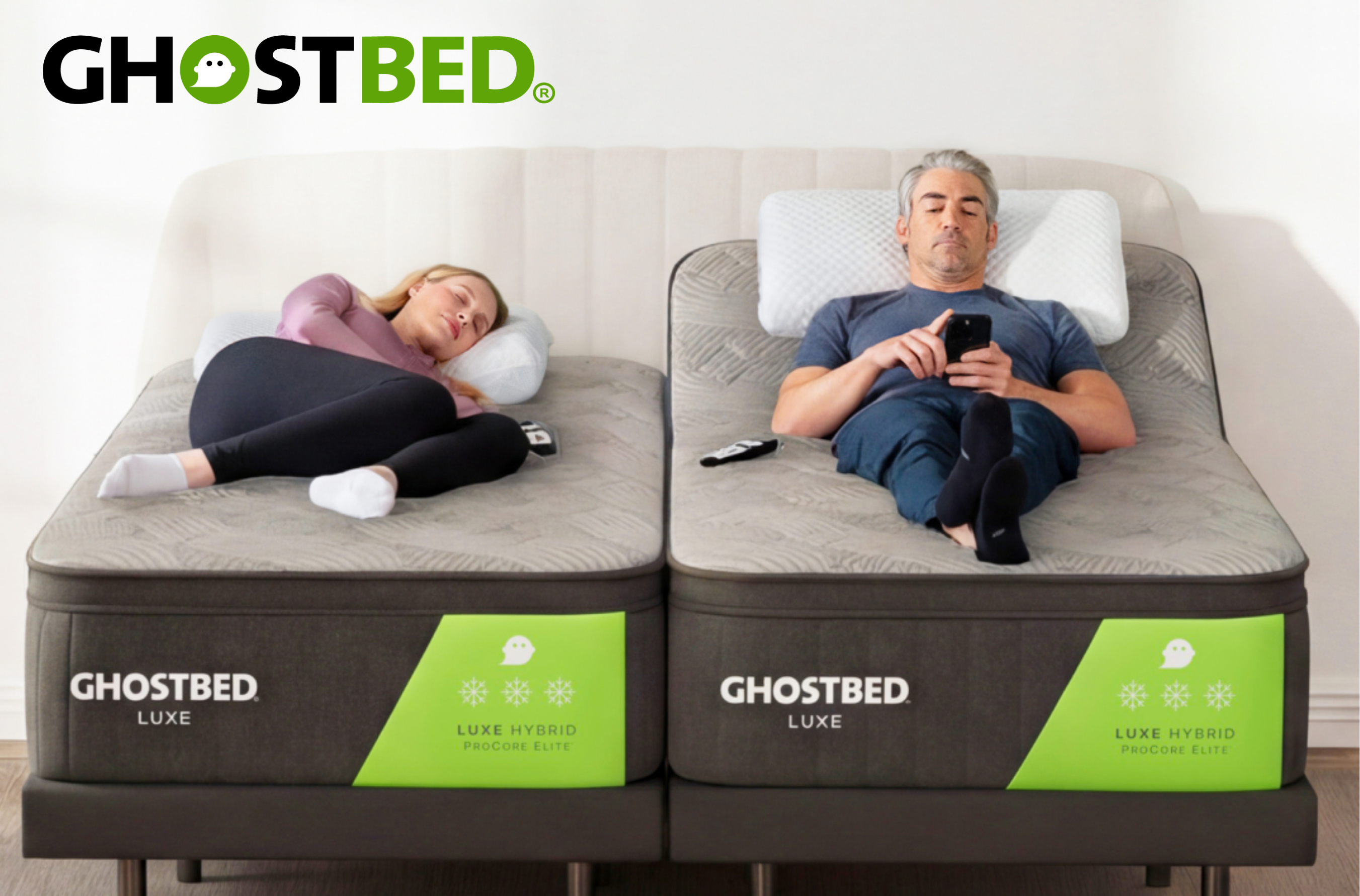
Choosing a new mattress is one of the most important decisions you can make for your health and well-being. With countless options on the market, the process can feel overwhelming. The most significant choice you will face is between two dominant mattress types: memory foam and hybrid. Both offer distinct advantages, but understanding their fundamental differences is key to finding the perfect match for your unique sleep style.
Memory foam provides unparalleled pressure relief, while hybrid mattresses offer a responsive, breathable feel. One is not universally better than the other; the right choice depends on your body type, sleeping position, and personal comfort preferences. This guide will provide a clear, research-based breakdown of foam vs. hybrid mattresses, exploring their construction, benefits, and ideal user profiles. We will also touch on how innovative brands like GhostBed have engineered options in both categories to deliver exceptional comfort and support.
What Is a Foam Mattress?
A foam mattress is constructed entirely from layers of foam. These mattresses became popular for their ability to contour closely to the body, providing a feeling of being "hugged" by the bed. The typical construction involves several layers.
Construction of a Foam Mattress
-
Support Core: The bottom layer is a thick, high-density polyfoam. This serves as the foundation of the mattress, providing durability and preventing sagging.
-
Transition Layer(s): In the middle, one or more layers of slightly softer foam help buffer you from the firm support core. These layers add to the overall comfort and contouring.
-
Comfort Layer: The top layer is usually made of memory foam or latex foam. This is the layer you feel most directly. Memory foam is known for its slow response to pressure, creating that signature sinking feeling that cradles your body and relieves pressure points.
Who Is a Foam Mattress Best For?
Foam mattresses excel in specific areas, making them ideal for certain types of sleepers.
Side Sleepers
Side sleepers put a great deal of pressure on their hips and shoulders. A foam mattress contours around these areas, allowing them to sink in slightly and maintain proper spinal alignment. This close contouring prevents the painful pressure points that can develop on a mattress that is too firm.
Couples and Light Sleepers
One of the standout features of memory foam is its exceptional motion isolation. The dense foam absorbs movement, so when one person tosses and turns, the other person is unlikely to feel it. This makes foam mattresses an excellent choice for couples or anyone easily disturbed by a partner's movement.
Those Seeking Pressure Relief
Individuals with joint pain or conditions like arthritis often find significant relief with foam mattresses. The material’s ability to distribute body weight evenly reduces stress on sensitive areas, providing a more comfortable and therapeutic sleep surface.
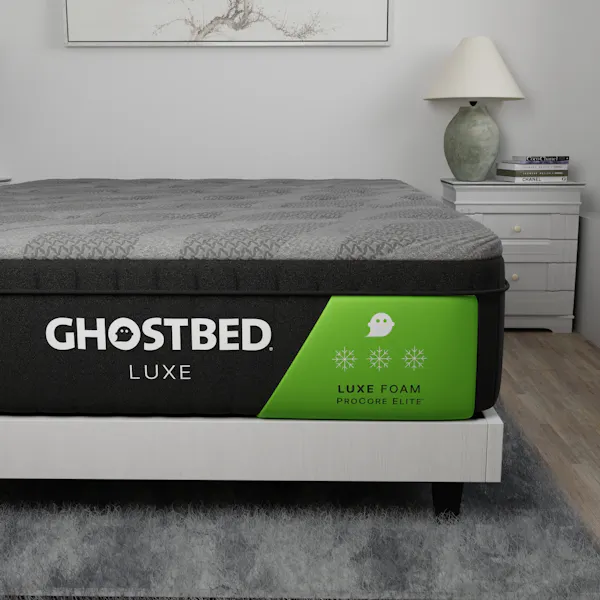
Models like the GhostBed Luxe are prime examples of modern foam mattress innovation. It uses multiple layers of foam, including gel memory foam and a proprietary Ghost Bounce layer, to offer contouring support without the feeling of getting stuck.
What Is a Hybrid Mattress?
A hybrid mattress combines the best of both worlds: the pressure-relieving comfort of foam and the classic, sturdy support of an innerspring system. It is a "hybrid" of two different mattress technologies.
Construction of a Hybrid Mattress
-
Support Core: The foundation of a hybrid mattress is a layer of individually wrapped coils or springs. Unlike traditional innerspring beds, where the coils are interconnected, these are encased in fabric pockets. This allows them to move independently, providing more targeted support and reducing motion transfer.
-
Comfort Layer(s): Above the coils, a hybrid features one or more layers of foam, latex, or other materials. This comfort system can be several inches thick, providing the contouring and pressure relief you would expect from a foam mattress.
Who Is a Hybrid Mattress Best For?
Hybrid mattresses offer a balanced feel that appeals to a wide range of sleepers.
Back and Stomach Sleepers
The coil system in a hybrid provides robust support, helping keep the spine in a neutral position. Back and stomach sleepers need this underlying firmness to prevent their hips from sinking too low, which can cause lower back pain. The foam layers on top still offer comfort, but the coils ensure proper alignment.
Hot Sleepers
The open structure of the coil layer creates natural airflow channels throughout the mattress. This inherent breathability allows heat to dissipate much more effectively than in an all-foam mattress. For people who tend to sleep hot, a hybrid is often the superior choice for temperature regulation.
People Who Prefer a Responsive Feel
If you dislike the "sinking" feeling of memory foam, a hybrid is an excellent alternative. The coils provide a gentle bounce and responsiveness, making it easier to move around and change positions during the night. You feel like you are sleeping "on" the mattress, rather than "in" it.
GhostBed offers advanced hybrid options like the GhostBed Flex and the GhostBed 3D Matrix®. These models pair supportive, reinforced coils with advanced cooling foams to deliver a balanced sleep experience that is both comfortable and breathable.
Key Differences at a Glance: Foam vs. Hybrid
Buying Considerations: How to Make Your Choice
Now that you understand the core differences, consider these factors to make the right decision for you.
Your Sleeping Position
-
Side Sleepers: Tend to prefer the deep contouring of a foam mattress for pressure relief on hips and shoulders.
-
Back Sleepers: Often do well with either, but hybrids provide excellent spinal support.
-
Stomach Sleepers: Need the firm support of a hybrid to prevent their hips from sagging.
Your Body Weight
Heavier individuals (over 230 pounds) often benefit from the robust support of a hybrid mattress. The coil system provides enhanced durability and prevents the feeling of "bottoming out" on the mattress. Lighter individuals may prefer the gentle contouring of an all-foam model.
Your Temperature Preferences
If you are a chronic hot sleeper, a hybrid mattress is almost always the better choice due to its superior airflow. However, modern foam mattresses with cooling technologies, like GhostBed's Ghost Ice fabric and gel infusions, have made significant strides in temperature regulation.
Your Budget
Generally, all-foam mattresses tend to be more budget-friendly than hybrids. The addition of a complex coil system increases the manufacturing cost. However, a high-quality mattress is a long-term investment in your health, and many brands offer financing options to make either choice more accessible.
The Right Mattress Is a Personal Choice
Ultimately, there is no single "best" type of mattress. The ideal choice between foam and hybrid depends entirely on your personal needs and preferences. A foam mattress offers superior motion isolation and a deep, cradling comfort that is perfect for side sleepers and those with joint pain. A hybrid mattress provides a balanced feel with responsive support and excellent cooling, making it a great all-around choice, especially for hot sleepers and those who prefer a bouncier surface.
By assessing your sleep habits and priorities, you can confidently select the mattress that will provide you with years of restorative sleep. Brands like GhostBed make this choice easier by offering premium, expertly engineered options in both categories, backed by a 101-night sleep trial to ensure you find your perfect match.
Ready to find the perfect mattress for your sleep style?
Explore the GhostBed Mattress Collection
Frequently Asked Questions (FAQ)
Which mattress type lasts longer, foam or hybrid?
Generally, a high-quality hybrid mattress may have a slight edge in durability. The steel coils in the support core are very resilient and can maintain their supportive properties for many years. However, the lifespan of any mattress depends on the quality of its materials.
Are hybrids better for back pain?
Both mattress types can be good for back pain, depending on the cause. Foam mattresses are excellent for relieving pressure-related pain. Hybrids are often better for pain related to poor spinal alignment, as their coil systems provide firm, targeted support.
I'm a combination sleeper who changes positions a lot. What should I choose?
Combination sleepers often prefer hybrid mattresses. The responsive nature of the coils makes it easier to move around and change positions without feeling "stuck" in the mattress, which can sometimes happen with traditional memory foam.
Is there a weight limit for foam mattresses?
While there isn't a strict weight limit, individuals over 230 pounds may find that a hybrid provides better long-term support and durability. The coil base in a hybrid offers more robust resistance to prevent sagging under heavier weights.
Do I need a special box spring for a foam or hybrid mattress?
You do not need a traditional box spring. Both foam and hybrid mattresses require a firm, solid foundation. This can be a modern platform bed, a slatted base (with slats no more than 3-4 inches apart), or an adjustable base.
Can I use an adjustable base with a hybrid mattress?
Yes, most modern hybrid mattresses, including those from GhostBed, are designed to be compatible with adjustable bases. The individually wrapped coils are flexible enough to move with the base as it inclines.
How does the 101-night sleep trial help me choose?
A sleep trial allows you to test the mattress in the real world. It can take up to 30 days for your body to fully adjust to a new sleep surface. The extended trial period gives you enough time to determine if the support, comfort, and feel are truly right for you.
POPULAR BLOGS



Hot categories
Comment:
Your email address will not be published. Required fields are marked *