The Science of Rest: How the Plufl Redefines Comfort and Sleep
-
by Zayam AR
-
January 12, 2026
-
132 comments
-
7 Minutes read
-
696 views
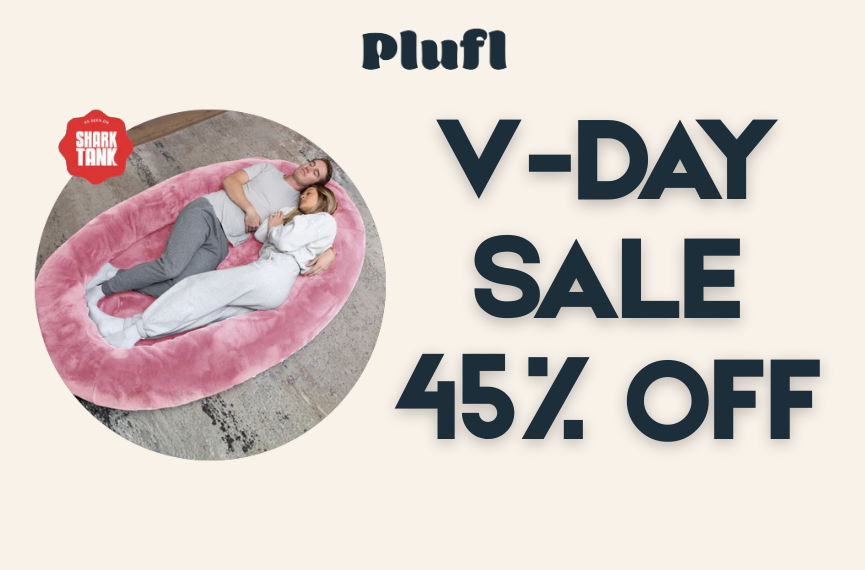
Plufl offers ergonomic napping & recovery solutions with orthopedic memory foam, sensory-soothing design, and stress-relief support for better rest.
In a culture that often glorifies "the grind," true rest has become a revolutionary act. We push our bodies and minds to the limit, assuming that a few hours of sleep at night will sufficiently recharge our batteries. However, biologists and sleep specialists are increasingly vocal about a crucial truth: sleep and rest are not the same thing. You can sleep for eight hours and still wake up exhausted if your nervous system hasn't had the chance to decompress. This is where the science of rest comes into play.
Modern lifestyles, characterized by constant digital connectivity and high cortisol levels, have disrupted our natural ability to wind down. To combat this, we need more than just a mattress; we need environments engineered for recovery. This article explores the physiological mechanics of relaxation, the critical role of ergonomics, and how innovative tools like the Plufl are redefining what it means to truly rest.
Understanding the Physiology of Relaxation
To understand why traditional lounging often fails to rejuvenate us, we must look at the autonomic nervous system. This system has two main modes: the sympathetic (fight or flight) and the parasympathetic (rest and digest).
When we are stressed, anxious, or overstimulated, our sympathetic nervous system is dominant. Heart rate increases, muscles tense up, and the body prepares for action. True rest occurs only when we shift into the parasympathetic state. This shift doesn't happen instantly just because we sit down. It requires specific environmental cues to signal safety to the brain.
The Role of Sensory Input
Our environment constantly bombards us with sensory data. Bright lights, loud noises, and uncomfortable textures keep the brain on high alert. Sensory relaxation techniques focus on minimizing these inputs to calm the nervous system.
This is where the concept of "containment" becomes vital. Evolutionarily, humans feel safest in enclosed, protected spaces. Open spaces can subconsciously signal vulnerability. This is why a vast, open sofa might feel good for a moment, but doesn't always trigger deep relaxation. The Plufl utilizes this principle through its raised border design, creating a "nest" that provides tactile feedback to the body, signaling that it is safe to let go of tension.

Buy Now
Ergonomics: The Foundation of Recovery
We often associate ergonomics with office chairs and standing desks, but ergonomic sleep solutions are just as critical for our downtime. If your body has to work to maintain a comfortable position, you aren't fully resting.
The Problem with Soft Surfaces
There is a misconception that "softer is better." However, a surface that is too soft offers no resistance, causing the spine to curve unnaturally and muscles to strain as they try to stabilize the body. Conversely, the floor is stable but creates painful pressure points on the hips and shoulders.
The Orthopedic Sweet Spot
The science of effective rest requires a balance called "supportive compliance." This means the surface must contour to the body's shape (compliance) while pushing back enough to keep the skeleton aligned (support).
The Plufl addresses this through a multi-layer foam construction. It utilizes high-density orthopedic memory foam, similar to high-end mattresses. This material disperses body weight evenly, reducing pressure on joints and allowing muscles to fully disengage. By supporting the natural curvature of the spine, even during a short nap, the body can enter a state of physical recovery much faster than on a sagging couch or a bean bag.
Stress Relief Through Comfort: The Psychological Connection
The mind and body are inextricably linked. Physical discomfort creates mental agitation, while mental stress creates physical tension. Breaking this cycle requires a holistic approach to comfort.
Grounding and Proprioception
Proprioception is the body's awareness of its position in space. Anxiety can often make us feel "ungrounded" or disconnected from our physical selves. Being close to the ground has a literal grounding effect. It changes our perspective and feels inherently more stable than being perched on a high chair or bed.
The Plufl brings the user to ground level but creates a luxurious barrier between the body and the hard floor. This positioning can be incredibly soothing for those dealing with anxiety or sensory processing disorders. It creates a dedicated "decompression zone" separate from the bed (which should be reserved for sleep) and the desk (associated with work).
The Power of Tactile Soothing
Touch is a primary pathway for stress relief through comfort. Soft, warm textures stimulate the release of oxytocin, a hormone that promotes feelings of calm and safety. The Plufl’s fur-free, ultra-soft cover is designed to maximize this tactile comfort without trapping excessive heat or causing allergic reactions, making it an ideal tool for sensory regulation.
How Plufl Applies Sleep Science
The Plufl was not designed merely as a novelty item; it was engineered based on these scientific principles of rest.
-
- Controlled Sensory Environment: The oval shape and raised bolster create a semi-enclosed environment that reduces visual and auditory distractions, facilitating a quicker shift to the parasympathetic state.
- Thermoregulation: Overheating is a major disruptor of rest. The Plufl incorporates cooling properties in its fabric and foam to maintain a neutral body temperature, preventing the "sweaty wake-up" common with cheaper synthetic materials.
- Fetal Position Support: Many people naturally curl up when stressed or tired. The Plufl’s dimensions and bolsters support the fetal position, a posture known to provide psychological comfort without cramping the limbs.
- Versatility for Active Rest: "Active rest" includes activities like reading or meditating. The ergonomic bolsters provide back and arm support that allows for these low-energy activities without causing neck strain, bridging the gap between being upright and being horizontal.
- Controlled Sensory Environment: The oval shape and raised bolster create a semi-enclosed environment that reduces visual and auditory distractions, facilitating a quicker shift to the parasympathetic state.

Buy Now
Frequently Asked Questions
Is the Plufl intended to replace a bed?
No, the Plufl is designed for "short-rest" cycles, napping, lounging, and decompressing rather than a full 8 hours of sleep. While its materials are high-quality enough to sleep on, it serves a different purpose: providing a dedicated space for daytime recovery so your bed remains associated exclusively with nighttime sleep.
How does the Plufl help with anxiety?
The Plufl mimics the effects of Deep Pressure Therapy (DPT) through its supportive foam and "tuck-in" design. The sensation of being held or enclosed can lower heart rate and reduce cortisol levels, providing immediate physical relief from anxious feelings.
Why is it on the floor?
Being close to the ground offers a psychological sense of stability and grounding. It also allows for a wider range of movement and stretching than a confined sofa. Furthermore, it utilizes floor space that is often wasted, turning it into a functional relaxation area.
Is the memory foam safe for long-term use?
Yes. The Plufl uses CertiPUR-US® certified foams, meaning they are made without ozone depleters, heavy metals, or harmful flame retardants. This ensures that your rest environment is free from chemical off-gassing, which is crucial for healthy respiratory function during rest.
Prioritizing Recovery
The science is clear: rest is not a luxury; it is a biological necessity. By understanding the mechanisms of the nervous system and the importance of ergonomics, we can make smarter choices about how we recharge.
Tools like the Plufl represent a new wave of wellness technology products that acknowledge the human need for comfort, security, and physical support. By investing in better rest, we aren't just buying furniture; we are investing in our long-term health, mental clarity, and resilience against stress.
POPULAR BLOGS



Hot categories
Comment:
Your email address will not be published. Required fields are marked *