How to Choose the Perfect Men’s Wedding Band: A Complete Guide
-
by Zayam AR
-
February 23, 2026
-
108 comments
-
8 Minutes read
-
370 views
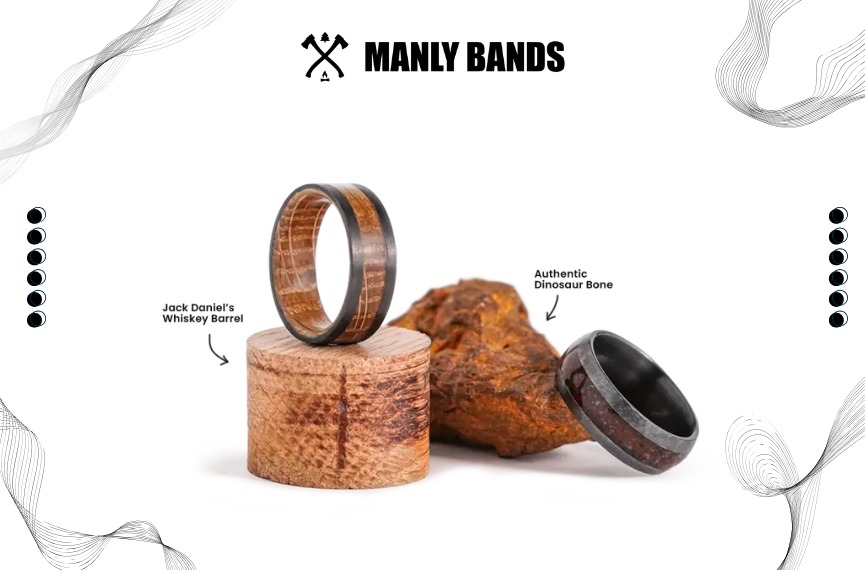
Find the perfect men’s wedding band with Manly Bands: explore tungsten, titanium, gold, and unique materials to match your style and lifestyle.
Choosing a wedding band is a significant decision. This ring is a symbol of your lifelong commitment, but it's also an accessory you will wear every single day. The process can feel overwhelming, especially with so many options beyond the traditional gold or silver. You need a ring that not only looks good but also fits your lifestyle and personality. Knowing how to choose the perfect men’s wedding band ensures you find a piece you’ll be proud to wear for years to come.
This complete guide will walk you through the essential factors to consider when selecting your wedding band. We will cover everything from material durability and maintenance to matching the ring to your personal style. By understanding the key differences between metals like tungsten, titanium, and gold, and even exotic materials like meteorite, you can make an informed and confident choice.
Step 1: Match the Material to Your Lifestyle
The first step in choosing a wedding band is to honestly assess your daily life. A man who works a desk job has different needs than a man who works with his hands. The material of your ring determines its durability, weight, and required maintenance.
For the Active Man: Ultimate Durability
If your hands are frequently exposed to rough conditions, you need a material that resists scratching and bending.
-
- Tungsten: This is one of the hardest and most scratch-resistant metals available for jewelry. It has a satisfying weight and maintains its polish for years. It’s an excellent choice for mechanics, construction workers, and anyone with a hands-on profession.
- Titanium: Known for being incredibly strong yet lightweight, titanium is another fantastic, durable option. It’s comfortable for all-day wear and is hypoallergenic, making it ideal for those with sensitive skin.
- Tungsten: This is one of the hardest and most scratch-resistant metals available for jewelry. It has a satisfying weight and maintains its polish for years. It’s an excellent choice for mechanics, construction workers, and anyone with a hands-on profession.

Buy Now
For the Traditionalist: Timeless Elegance
If you prefer a classic look that has stood the test of time, precious metals are the way to go.
-
- Gold: The ultimate classic, gold comes in yellow, white, and rose tones. It’s softer than alternative metals, meaning it will show wear over time and develop a unique patina. It’s perfect for the man who appreciates tradition and doesn’t mind a bit of character.
- Cobalt Chrome: For a platinum look without the price tag, consider cobalt chrome. It has a brilliant white luster, is highly scratch-resistant, and is also hypoallergenic.
- Gold: The ultimate classic, gold comes in yellow, white, and rose tones. It’s softer than alternative metals, meaning it will show wear over time and develop a unique patina. It’s perfect for the man who appreciates tradition and doesn’t mind a bit of character.
For the Unconventional Man: Unique Stories
If you want a ring that tells a story, look into rings made with exotic materials.
-
- Damascus Steel: Known for its distinctive wavy patterns, each Damascus steel ring is one-of-a-kind. It’s a durable material with a storied history, perfect for a man who values artistry.
- Meteorite: For a ring that is truly out of this world, meteorite is an incredible option. These rings contain shavings from authentic meteorites, each with a unique crystalline pattern.
- Wood and Antler: Inlays made from materials like whiskey barrels, koa wood, or naturally shed antler provide an earthy and rustic feel. These materials are sealed for protection, making them suitable for everyday wear.
- Damascus Steel: Known for its distinctive wavy patterns, each Damascus steel ring is one-of-a-kind. It’s a durable material with a storied history, perfect for a man who values artistry.
Step 2: Define Your Personal Style
Your wedding band is an extension of your personality. Don’t feel pressured to choose something just because it’s popular. Think about your clothing, hobbies, and overall aesthetic.
-
- Classic and Understated: A simple, polished band in gold, tungsten, or titanium may be perfect for you. Look for clean lines and a timeless finish.
- Modern and Bold: Consider a black wedding band made from zirconium or a ring with a unique finish, like a brushed or hammered texture. These styles feel contemporary and strong.
- Rugged and Outdoorsy: Rings with wood inlays, antler, or Damascus steel patterns connect with a love for nature and adventure.
- A Bit of a Nerd (in a good way): Brands like Manly Bands offer officially licensed collections. You can find rings inspired by The Lord of the Rings or DC Comics to celebrate your passions.
- Classic and Understated: A simple, polished band in gold, tungsten, or titanium may be perfect for you. Look for clean lines and a timeless finish.
Step 3: Consider Comfort and Fit
A ring's comfort is just as important as its appearance. Two main factors influence how a ring feels on your finger: its width and its interior fit.
Ring Width
The width of a band is measured in millimeters.
-
- Narrow (4mm-6mm): These bands are a great choice for men with slender fingers or for those who prefer a more subtle look.
- Standard (7mm-9mm): This is the most popular range, offering a noticeable presence without feeling overly bulky.
- Wide (10mm+): A wide band makes a bold statement and is best suited for men with larger hands or longer fingers.
- Narrow (4mm-6mm): These bands are a great choice for men with slender fingers or for those who prefer a more subtle look.
Interior Fit
-
- Standard Fit: These rings have a flat interior and sit snugly against the finger.
- Comfort Fit: These bands are slightly rounded on the inside. This design makes it easier to slide the ring over your knuckle and reduces pressure on the finger, offering a more comfortable experience for all-day wear. Most premium rings, including many from Manly Bands, feature a comfort fit.
- Standard Fit: These rings have a flat interior and sit snugly against the finger.
Step 4: Common Mistakes to Avoid
Navigating the world of men's wedding bands can be tricky. Here are a few common mistakes to avoid during your search.
-
- Ignoring Your Lifestyle: Buying a soft gold ring when you have a very active, hands-on job will likely lead to dents and scratches. Be realistic about what your ring will endure.
- Guessing Your Size: Ring size is crucial. Don’t guess or use a string to measure. Get professionally sized or use a reliable ring sizer from the brand you’re buying from. Remember that finger size can fluctuate with temperature and time of day.
- Forgetting About Maintenance: All rings require some care. Softer metals may need occasional polishing, while wood inlays should be kept away from harsh chemicals. Understand the care requirements before you buy.
- Rushing the Decision: This is a ring you will wear for a lifetime. Take your time, explore different options, and choose a ring you genuinely love, not just one that is on sale.
- Ignoring Your Lifestyle: Buying a soft gold ring when you have a very active, hands-on job will likely lead to dents and scratches. Be realistic about what your ring will endure.
Putting It All Together: The Manly Bands Approach
Finding a brand that offers variety, quality, and guidance is key. Manly Bands was created to solve the problem of boring, limited options for men. Their extensive collection is designed to cater to every style and lifestyle described above. Whether you need an ultra-durable tungsten ring for work or want a unique band made from dinosaur bone, they provide high-quality, handcrafted options.
Their approach simplifies the process, offering clear information on materials and providing tools like ring sizers to ensure a perfect fit. By focusing on authentic materials and superior craftsmanship, they make it easier to find a ring that feels like it was made just for you.
Your wedding band is a personal statement. By considering your lifestyle, defining your style, and understanding the options available, you can choose a ring that you’ll be excited to put on every morning.

Buy Now
Explore Manly Bands’ collection to find your perfect fit.
Frequently Asked Questions
How do I find my ring size at home?
The most reliable way is to use a physical ring sizer, which many online retailers like Manly Bands will send you for free. Avoid printable sizers or using string, as these methods are often inaccurate.
Can a tungsten or titanium ring be resized?
Due to their extreme hardness, tungsten and titanium rings cannot be resized traditionally. It is vital to get your size right. However, reputable companies often have excellent exchange policies if you order the wrong size.
What is the difference between 14k and 18k gold?
The "k" stands for karat, which measures gold purity. 18k gold is 75% pure gold, making it richer in color but softer. 14k gold is 58.3% pure gold, making it more durable and a more popular choice for men's wedding bands.
Are wood and other natural material inlays durable?
Yes. When crafted properly, natural materials like wood or antler are set into the metal band and sealed with a protective resin. This makes them water-resistant and durable enough for daily wear, though you should avoid submerging them for long periods or exposing them to harsh chemicals.
How much should I expect to spend on a man's wedding band?
Prices can range from under a hundred dollars for a simple silicone band to several thousand for a solid gold or black diamond ring. A high-quality, durable, and stylish ring made from alternative metals like tungsten or Damascus steel typically falls in the $400 to $900 range.
POPULAR BLOGS


Hot categories
Comment:
Your email address will not be published. Required fields are marked *