The Ultimate Buyer’s Guide to Racing and Flight Simulators
-
by Zayam AR
-
December 11, 2025
-
225 comments
-
7 Minutes read
-
807 views
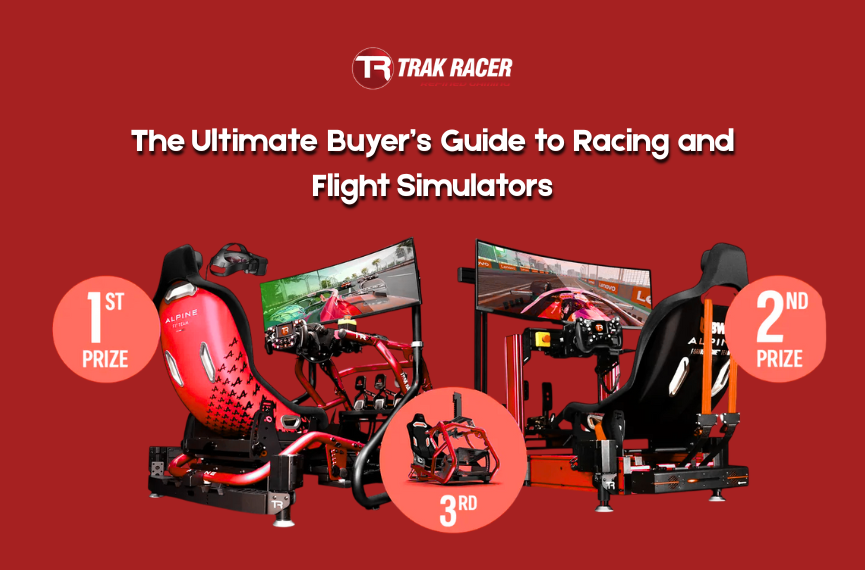
By Trak Racer's build a pro-level racing or flight simulator with the right frame, controls, seat, and accessories. Upgrade smartly and enjoy immersive, realistic performance.
If you’re reading this, chances are you want more out of your virtual racing or flight experience. Maybe you’ve watched a pro streamer or visited a sim cafe. Perhaps you’re simply ready to replace the wobbly desk-and-wheel combo that’s been holding you back. Wherever you are on your journey, this guide aims to help you make smart choices, avoid common pitfalls, and build a setup that truly delivers, whether you’re gunning for a spot on the podium or enjoying takeoffs on a Sunday morning.
Below, we’ll break down each component that goes into premium racing simulators and flight simulators and help you decide what matters most for your needs, your space, and your ambitions.
Step 1: Why the Right Frame is Non-Negotiable
The real backbone of any simulator rig isn’t the wheel or stick; it’s the frame. Countless sim racers and virtual pilots have learned this the hard way: a flimsy base or simple wheel stand will eventually let you down. Sloppy flex, sliding pedals, or a seat that won’t stay put can turn an hour of fun into frustration.
What should you look for in a simulator frame?
-
- Build Quality: Choose a frame made from durable materials, like powder-coated steel or thick aluminum. These resist flex and stand up to heavy braking or the demands of a direct-drive wheel.
- Ergonomics and Adjustability: Your hours-long sessions deserve comfort. Well-designed rigs, like those from Trak Racer, let you adjust seat position, wheel height, and pedal angle so you can dial in a natural, authentic driving or flying posture.
- Platform Flexibility: A strong perk of investing in Trak Racer is broad compatibility. Their rigs support peripherals from all the major brands, such think Fanatec, Logitech, Thrustmaster, which means the frame grows with you, no matter how your gear evolves.
- Build Quality: Choose a frame made from durable materials, like powder-coated steel or thick aluminum. These resist flex and stand up to heavy braking or the demands of a direct-drive wheel.
Comparing options: If you’re just dipping your toes in, a wheel stand can suffice, but you’ll quickly notice the difference upgrading to a dedicated cockpit makes. Once you try a full rig, you’ll see why serious enthusiasts won’t go back.
Step 2: Controls That Connect You to the Action
The magic of simulation is in feeling like you’re actually the e taking a corner at Silverstone, or lining up a crosswind landing. That immersion depends on the physical controls you use.
For Racing Setups:
-
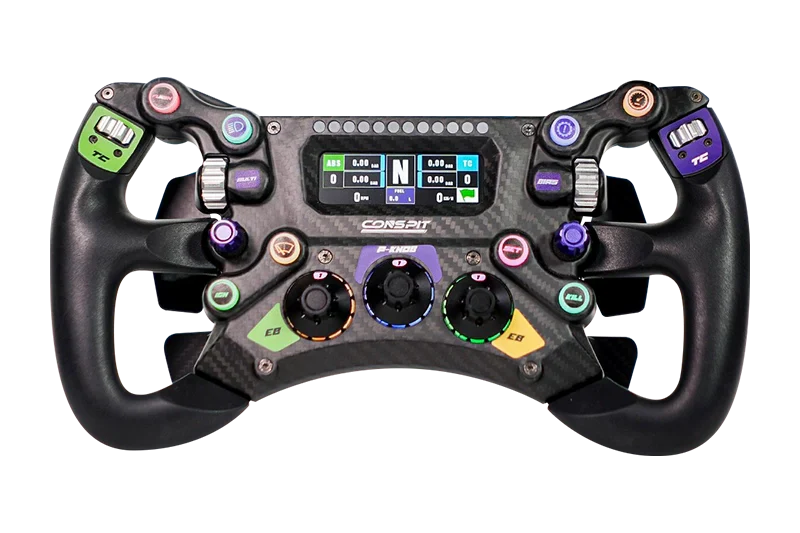
- Wheelbase: This unit provides forcfeedbacac,, helping you sense everything from curbs to tire grip. Direct-drive models offer phenomenal realism and power, but even quality belt-driven wheels can elevate your experience.
- Pedals: Seasoned sim racers quickly learn that consistent, progressive pedals matter just as much as, if not more than, the wheel. Look for pedals with load cells (they measure pressure, not just movement) for a car-like braking feel.
- Wheelbase: This unit provides forcfeedbacac,, helping you sense everything from curbs to tire grip. Direct-drive models offer phenomenal realism and power, but even quality belt-driven wheels can elevate your experience.
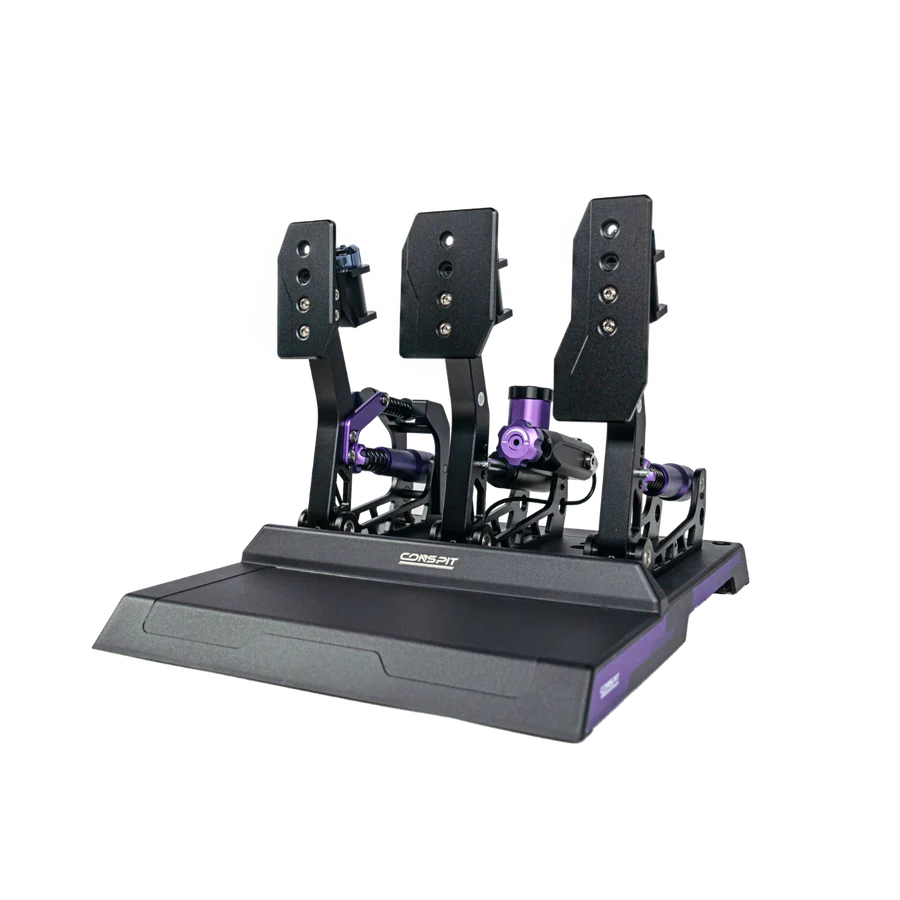
Buy Now
For Flight Simulators:
-
- Yoke or Joystick: Commercial pilots and GA flyers tend to prefer a yoke, while flight sim fans who fly military jets or aerobatic aircraft often opt for a joystick.
- Throttle Quadrant: Adds essential realism, letting you control engine power, flaps, and more with true-to-life precision.
- Rudder Pedals: These complete your cockpit, giving full axis control for taxiing, flight corrections, and smooth landings.
- Yoke or Joystick: Commercial pilots and GA flyers tend to prefer a yoke, while flight sim fans who fly military jets or aerobatic aircraft often opt for a joystick.
Buy Now
Pro tip: Match your “command center” to your favorite style of sim F1, GT, rally, airliner, or fighter jet. And if you love a bit of everything, modular rigs from Trak Racer let you swap and upgrade easily.
Step 3: Don’t Underestimate Your Seat
It’s not flashy, but your seat is what keeps you playing comfortably run after run. Hours can fly by when you’re comfortable, but aches make even the best sim less appealing.
-
- GT-Style Recliners: Perfect if you want the adjustability and feel of a road car, with comfort for longer stints.
- Fixed Bucket Seats: If maximum support and a true racing posture are your goal, a fixed-back bucket seat bolts you in just like a real track car, which can help you pick up subtle force feedback.
- Flight Seats: Upright, with cutouts for yokes or center sticks, these cater to pilots looking for long-haul comfort and realism.
- GT-Style Recliners: Perfect if you want the adjustability and feel of a road car, with comfort for longer stints.
Trak Racer’s seat lineup is engineered to work seamlessly with their rigs, no jury rigging or headaches about fit.
Step 4: Bring the Experience to Life with Screens and Accessories
The last mile, the difference between good and great, is all about your view and fine touches.
-
- Monitor Stands: Mounting your screen (or a triple-screen setup) directly to your rig keeps your field of view perfect and stable. No more shaky desks or awkward sightlines.
- Virtual Reality (VR): If you want the next level of immersion, a headset like the Pimax Crystal Light can put you smack in the middle of the cockpit, letting you glance at gauges or check your mirrors with instinctive movements.
- Add-ons That Make a Difference: Think keyboard trays, speaker mounts, or cup holders for those marathon race nights. These little upgrades go a long way in making your sim time enjoyable.
- Monitor Stands: Mounting your screen (or a triple-screen setup) directly to your rig keeps your field of view perfect and stable. No more shaky desks or awkward sightlines.
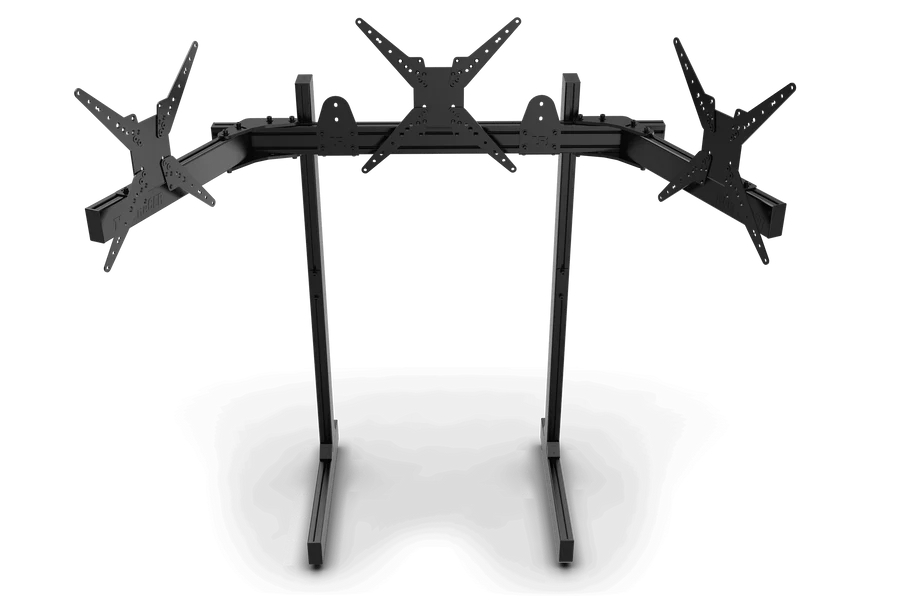
Buy Now
How to Build Your Dream Rig (and Stick to Budget)
Nobody says you need to buy everything on day one. Start with the rig and seat your foundation, then gradually add wheel, pedals, and accessories as your hobby (and skill) grows. With a platform like Trak Racer’s, your investment is protected and “future-proofed”.
If you’re uncertain where to begin or which products will fit your unique space or needs, Trak Racer’s team and community are a reliable resource, generously sharing build advice, upgrade ideas, and honest feedback.
Frequently Asked Questions (FAQ)
Is the frame really that important, or should I focus on the wheel?
Even the best wheel can’t overcome a flexible or unstable base. If you care about consistency and realism, upgrade your frame first.
Can I get away with a single monitor, or should I invest in triples or VR?
A single monitor works for most, but adding triple screens or trying VR dramatically improves immersion and situational awareness for both racers and pilots.
What’s the ideal footprint for a home simulator?
Set aside at least 2' x 5' for a typical rig, plus room to get in and out comfortably. Always compare specific product measurements.
Can one rig be used for both racing and flight simulation?
Many frames, including Trak Racer’s, are designed to be modular. You can add flight controls to a racing rig or vice versa.
Are load cell pedals really worth the extra investment for beginners?
If you take simulation seriously or want to build good habits from day one, yes. Load cell pedals offer a consistent, authentic brake feel, making you a better driver.
Ready to take the plunge? Explore Trak Racer’s range of frames, seats, and accessories to create a simulator that’s built for you, whether you’re flying sky high or chasing the racing line. For pro tips, honest reviews, or installation support, check the community page, product FAQs, or reach out to contact support. Quality simulation starts with a quality foundation, and Trak Racer is ready to help you drive, fly, and race at your very best.
POPULAR BLOGS




Hot categories
Comment:
Your email address will not be published. Required fields are marked *