The Science of Fresh Coffee: Why Roasting and Shipping Matter
-
by John Mike
-
January 12, 2026
-
117 comments
-
9 Minutes read
-
390 views
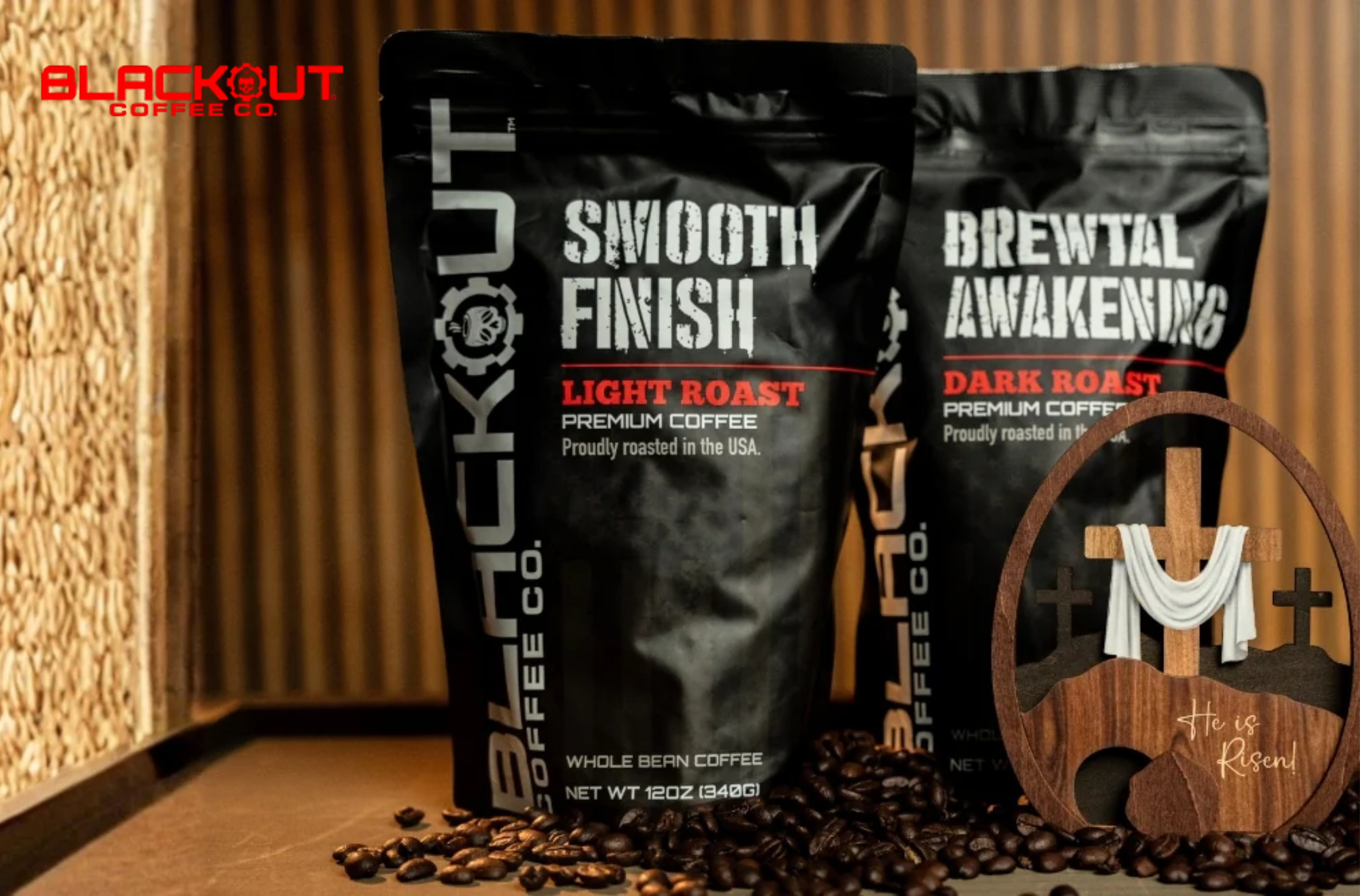
There is a moment that every coffee lover chases. It’s that split second when you open a new bag of beans, and a rich, complex aroma fills the entire kitchen. That scent isn't just pleasant; it is the scientific indicator of quality. It signals that the volatile oils inside the bean are potent, active, and ready to deliver flavor. Conversely, we all know the disappointment of opening a bag only to be met with a flat, cardboard-like smell. The difference between these two experiences isn't just luck; it is a matter of chemistry and logistics.
Many drinkers assume that the quality of their morning brew depends solely on the origin of the bean or the method of brewing. While those factors are critical, the single most significant variable in cup quality is freshness. Specifically, the time elapsed between the roaster and your doorstep. Understanding the science behind roasting and staling reveals why supermarket coffee often tastes flat and why small-batch roasters who prioritize speed, like Blackout Coffee, offer a fundamentally superior experience.
The Chemistry of the Roast: Creating Flavor
To understand freshness, we first must understand what happens inside the roasting drum. Green coffee beans are dense, hard seeds with almost no flavor. They contain the potential for flavor, locked away in proteins, carbohydrates, and acids.
When heat is applied, a complex series of chemical reactions begins, known as the Maillard reaction. This is the same chemical process that turns bread into toast or sears a steak. During this phase, hundreds of aromatic compounds are created. The beans turn brown, expand, and develop the oils that carry the distinct notes of chocolate, fruit, nuts, or spice.
The Peak Flavor Window
Once the roasting stops, the clock starts ticking. The beans are now at their peak potential. They are packed with carbon dioxide (CO2) and aromatic oils. For the first few days, the beans "degas," releasing the CO2. This is why high-quality coffee bags have one-way valves; they let the gas out without letting oxygen in.
This period, roughly 2 to 14 days after roasting, is often considered the "Peak Flavor Window." During this time, the coffee possesses its full spectrum of tasting notes. The acidity is bright, the body is full, and the finish is smooth. After this window closes, the decline begins.
The Enemy of Flavor: Oxidation and Staling
The primary enemy of roasted coffee is oxygen. Just as iron rusts and a sliced apple turns brown, coffee beans undergo oxidation. Oxygen attacks the delicate oils on the surface of the bean and the chemical structures inside.
When these oils oxidize, they turn rancid. This doesn't mean the coffee is unsafe to drink, but it means the flavor profile changes drastically. The vibrant, specific notes like blueberry in a light roast or dark chocolate in a robust blend disappear. What remains is a generic, bitter, and woody taste. This is the flavor of staling.
The Grocery Store Supply Chain Problem
This is where the standard coffee supply chain fails the consumer. Consider the journey of a typical bag of grocery store coffee:
-
Mass Roasting: Giant industrial roasters process tons of coffee at once.
-
Warehousing: The coffee is packaged and moved to a distribution warehouse, where it may sit for weeks.
-
Transit: It travels by truck to regional distribution centers.
-
Shelving: Finally, it reaches the grocery store shelf, where it might sit for months before you buy it.
By the time you brew a cup of mass-market coffee, it is often months past its roast date. The peak flavor window closed long ago, leaving you with a shadow of what the coffee could have been.
Buy Now
Small-Batch Roasting: Precision Over Volume
The antidote to stale, mass-produced coffee is small-batch roasting. This method is not just a marketing buzzword; it is a quality control necessity. Roasting in small batches allows the roast master to maintain precise control over temperature and airflow. They can adjust the profile to maximize the potential of that specific crop of beans.
More importantly, small-batch roasting allows for inventory agility. A company like Blackout Coffee doesn't need to roast thousands of pounds to fill a warehouse. They roast to order. This means the beans typically enter the roasting drum only after demand is established, ensuring that no inventory sits around collecting dust and losing flavor.
Why Shipping Speed is a Flavor Ingredient
If oxidation is the enemy, speed is the ally. The logistics of shipping are just as important to the final taste as the quality of the green bean.
When a roaster commits to shipping within 24 to 48 hours of roasting, they are essentially handing you the beans right as they enter that peak flavor window. By the time the package travels through the mail and arrives at your door, the beans have had just enough time to degas and settle, meaning they are ready to brew the moment you open the box.
This tight turnaround eliminates the "warehousing phase" entirely. It bridges the gap between the artisan and the consumer, ensuring that you experience the coffee exactly as the roast master intended. This freshness preserves the natural sweetness of the bean, reducing the need for sugar and cream to mask bitterness.
Whole Bean vs. Ground: A Surface Area Equation
Another critical aspect of the science of freshness is surface area. Inside a whole coffee bean, the flavor oils are relatively protected from oxygen. However, the moment you grind coffee, you increase its surface area exponentially.
Ground coffee exposes thousands of tiny particles to the air immediately. While a whole bean might stay fresh for a few weeks, ground coffee begins to lose its primary flavor notes in a matter of minutes or hours.
For the absolute best experience, buying whole bean coffee and grinding it just before brewing is recommended. However, if you prefer the convenience of pre-ground coffee, the speed of shipping becomes even more critical. Because pre-ground coffee is more vulnerable, getting it from the roaster to your kitchen quickly is the only way to ensure it retains its character.
How to identify Fresh Coffee
As a consumer, how can you tell if you are buying fresh?
-
Look for a "Roast Date": High-quality roasters will print the specific date the coffee was roasted on the bag. If a bag only has a "Best By" date, it is likely months old.
-
The Bloom: When you pour hot water over fresh coffee grounds (especially in a pour-over or French press), the coffee should bubble and rise. This is called the "bloom," caused by the release of CO2. If the water just sits flat, the coffee has likely degassed completely and is stale.
-
The Aroma: As mentioned earlier, the smell should be powerful and fill the room.
Elevating Your Ritual
Understanding the science of roasting and shipping transforms coffee from a caffeine delivery system into a culinary experience. It empowers you to demand more from your morning cup. You realize that bitterness is often a symptom of age, not strength, and that smoothness is a result of care and speed.
By choosing a roaster that prioritizes small batches and rapid shipping, you are investing in quality. You are ensuring that the chemical artistry performed in the roasting drum is preserved until the very last sip.
If you are ready to experience the difference that true freshness makes, consider exploring a roaster that operates on these principles. Blackout Coffee’s commitment to roasting and shipping within 48 hours ensures that you never have to settle for a stale cup again.
Browse the Blackout Coffee Collection to Find Your Fresh Roast.
Frequently Asked Questions (FAQ)
Does coffee actually expire?
Technically, dry coffee beans don't "expire" in a way that makes them unsafe to drink, like milk or meat. However, they do expire in terms of flavor. After a few months, the oils go rancid, and the coffee will taste flat, woody, or stale.
How long does coffee stay fresh after roasting?
Ideally, coffee is best consumed within 2 to 4 weeks of the roast date. Whole beans can last a bit longer if stored correctly, but the flavor will slowly degrade after the first month.
What is the best way to store fresh coffee?
Store your beans in an airtight container in a cool, dark place. Avoid clear glass jars that let in light, and keep coffee away from heat sources like your oven. Do not store coffee in the fridge, as it can absorb moisture and odors from other foods.
Why does Blackout Coffee ship within 24-48 hours?
We prioritize shipping speed to minimize the time between roasting and brewing. By skipping the warehouse and shipping directly to you, we ensure the beans arrive during their peak flavor window.
Is there a difference in freshness between pods and bagged coffee?
Generally, bagged whole bean coffee is the freshest option. However, our single-serve pods are packed immediately after roasting and grinding to lock in freshness much better than standard commercial pods that sit on shelves for months.
Does dark roast go stale faster than light roast?
Yes, slightly. Dark roasts have more oil on the surface of the bean. These surface oils are directly exposed to oxygen, which can accelerate the staling process compared to light roasts, where the oils are still trapped inside. This makes fresh shipping even more vital for dark roast lovers.
Can I freeze my coffee beans to keep them fresh?
Freezing is controversial. It can extend shelf life for long-term storage (months), but it carries risks. Condensation can form on the beans when you take them out, ruining the oils. If you must freeze, vacuum-seal the beans in small portions and only remove them once. For daily drinking, the pantry is best.
POPULAR BLOGS



Hot categories
Comment:
Your email address will not be published. Required fields are marked *