The Ultimate Jewelry Buying Guide
-
by John Mike
-
January 01, 2026
-
162 comments
-
8 Minutes read
-
312 views
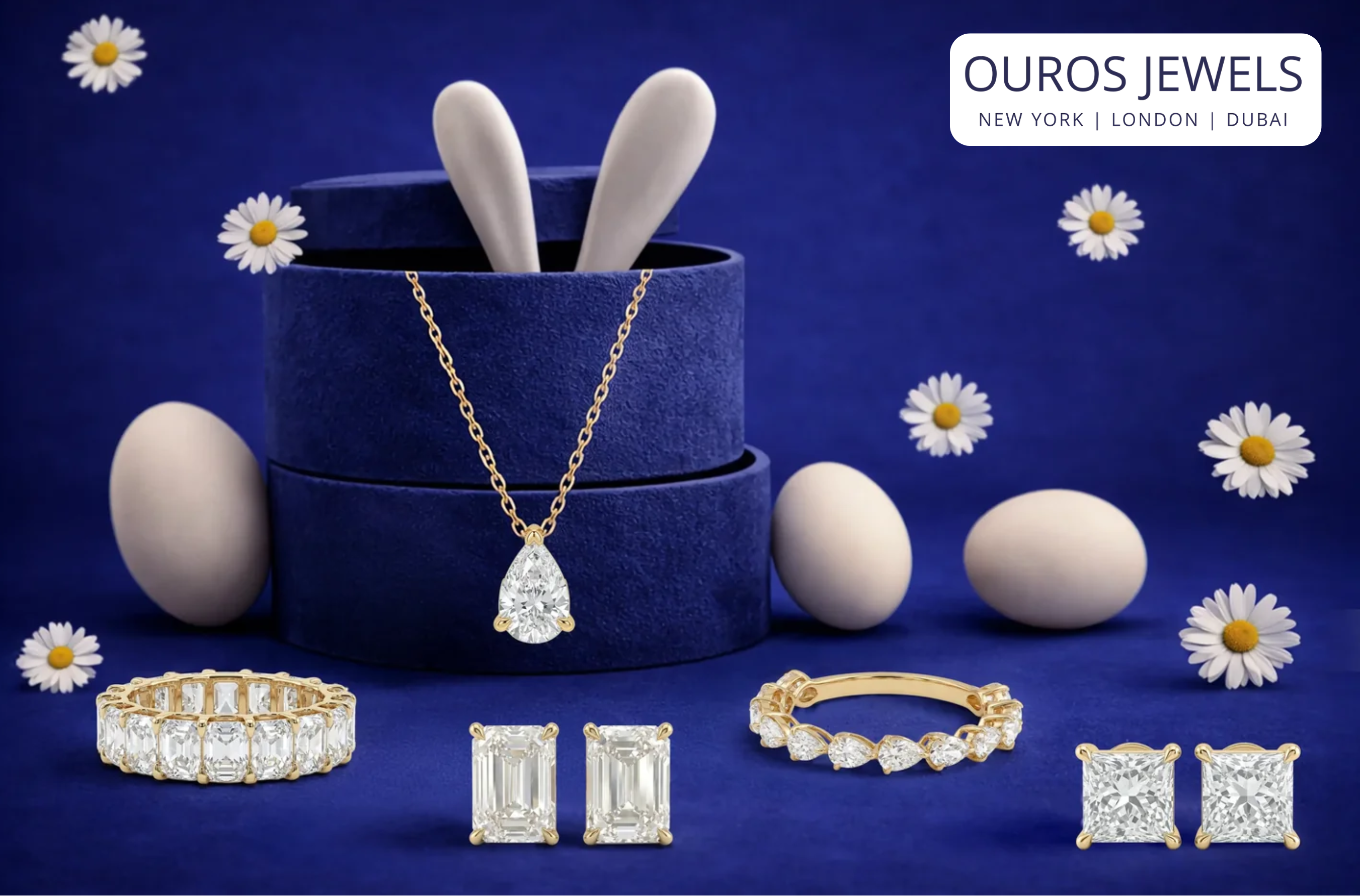
Explore our 2026 Jewelry Buying Guide, master the 4Cs, compare lab-grown and natural diamonds, and learn expert care tips to choose the perfect piece with confidence.
Stepping into the world of fine jewelry is an exciting journey. Whether you are searching for the perfect engagement ring, a timeless anniversary gift, or a personal treasure, the process should be filled with joy and confidence. However, with a vocabulary of carats, cuts, and clarity, it can also feel complex. This comprehensive jewelry buying guide is designed to demystify the process, empowering you with the knowledge to make an informed decision that you will cherish for a lifetime.
At Ouros Jewels, we believe that understanding the craft behind a piece is the first step to truly loving it. This guide will walk you through the essential elements of diamond quality, known as the 4Cs. We will also explore the modern choice between lab-grown and natural diamonds and provide practical tips for jewelry care. Our goal is to equip you with expert insights so you can select a piece that not only looks beautiful but also perfectly represents your story and standards.
The Foundation of Brilliance: Understanding the 4Cs
The 4Cs—Cut, Color, Clarity, and Carat—are the universal standards developed by the Gemological Institute of America (GIA) to assess the quality of any diamond. Mastering these fundamentals is the most important part of any jewelry buying guide. While they all work together, they have different impacts on a diamond’s appearance and price.
1. Cut: The Source of Sparkle
Often considered the most important of the 4Cs, a diamond's cut is the only factor directly influenced by human hands. It refers not to the shape of the diamond (like round or pear), but to the quality of its facets, symmetry, and polish. A well-cut diamond acts like a perfect prism, capturing light and reflecting it back to your eye in a dazzling display of brilliance and fire.
-
Brilliance: The reflection of white light.
-
Fire: The dispersion of light into the colors of the rainbow.
-
Scintillation: The sparkle a diamond creates as it moves.
An excellent cut can make a diamond appear larger and hide minor imperfections, while a poor cut can make even a high-quality stone look dull and lifeless. When allocating your budget, prioritizing the best cut grade possible is always a wise investment.
2. Color: The Hint of Hue
Diamond color refers to the natural tint inherent in white diamonds. The GIA grades color on a scale from D (colorless) to Z (light yellow or brown).
-
D-F (Colorless): The rarest and most valuable. These diamonds show no discernible color.
-
G-J (Near Colorless): Color is difficult to detect with the naked eye. This range offers excellent value.
-
K-M (Faint Color): A slight yellow tint is visible, which can be minimized by setting the diamond in yellow gold.
For most people, a diamond in the G-J range will appear perfectly white once set in a ring. The choice of metal can also influence perception; a colorless diamond pops in a platinum or white gold setting, while a near-colorless stone looks beautiful in yellow or rose gold.
3. Clarity: The Purity of the Stone
Clarity measures the absence of inclusions (internal flaws) and blemishes (external flaws). These tiny imperfections are like a diamond's fingerprint, making each one unique. The GIA clarity scale ranges from Flawless (FL) to Included (I).
-
FL/IF (Flawless/Internally Flawless): Extremely rare, with no visible flaws even under 10x magnification.
-
VVS1/VVS2 (Very, Very Slightly Included): Inclusions are very difficult to see under 10x magnification.
-
VS1/VS2 (Very Slightly Included): Minor inclusions are visible under magnification but are rarely seen by the naked eye.
-
SI1/SI2 (Slightly Included): Inclusions are noticeable under 10x magnification and may be visible to the unaided eye.
A key concept here is "eye-clean," meaning no flaws are visible without magnification. Many diamonds in the VS and even SI ranges are eye-clean and offer fantastic value, making them a popular choice for engagement rings.
4. Carat: The Measure of Weight
Carat is a unit of weight, not size. One carat is equal to 200 milligrams. Because larger diamonds are rarer, the price increases exponentially with carat weight. For example, a single 2.0-carat diamond will be significantly more expensive than two 1.0-carat diamonds of the same quality.
Remember that a diamond's cut can affect its perceived size. A well-cut diamond with a wider table can appear larger than a heavier, poorly cut stone. When choosing a carat weight, consider the finger size of the wearer and your personal budget.
Buy Now
A Modern Choice: Lab-Grown vs. Natural Diamonds
One of the most significant developments in the jewelry industry is the rise of lab-grown diamonds. This has become a critical topic in any modern jewelry buying guide. Understanding the differences and similarities is key to making a choice that aligns with your values.
What Are Lab-Grown Diamonds?
Lab-grown diamonds are real diamonds. They are not imitations like cubic zirconia. They have the exact same chemical, physical, and optical properties as diamonds mined from the earth. The only difference is their origin. They are created in highly controlled laboratory environments that replicate the high-pressure, high-temperature conditions under which natural diamonds form.
Benefits of Lab-Grown Diamonds
-
Value: Lab-grown diamonds typically cost 30-50% less than natural diamonds of comparable size and quality. This allows you to purchase a larger or higher-quality stone for the same budget.
-
Ethical Sourcing: The origin of every lab-grown diamond is known and traceable, completely eliminating concerns about conflict or environmental impact associated with mining.
-
Quality and Purity: Because they are grown in a controlled environment, lab-grown diamonds often have excellent clarity and can be produced to high standards.
At Ouros Jewels, we offer both IGI-certified lab-grown diamonds and GIA-certified natural diamonds, allowing you to choose the option that best suits your priorities.
Buy Now
Beyond the 4Cs: Choosing a Diamond Shape
The shape of a diamond, also known as its "cut," refers to its overall geometry. This choice is purely a matter of personal style.
-
Round Brilliant: The most popular shape, engineered for maximum sparkle.
-
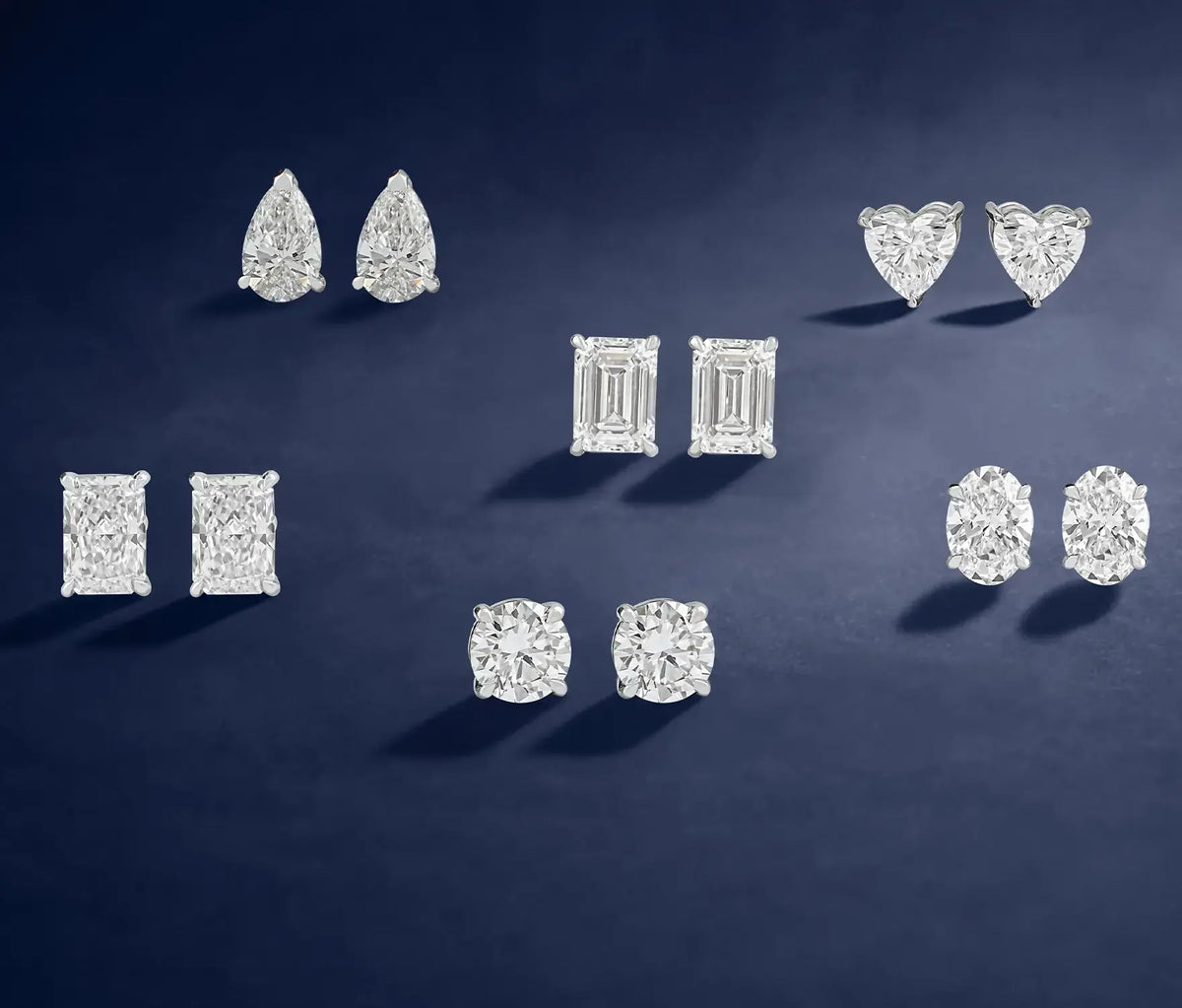
Princess: A modern square shape with sharp corners and brilliant facets.
-
Cushion: A square or rectangular shape with rounded corners, offering a soft, romantic look. Many of our Old Cut Collection pieces feature this classic shape.
-
Oval: An elongated version of the round brilliant, which can make the finger appear longer and slimmer.
-
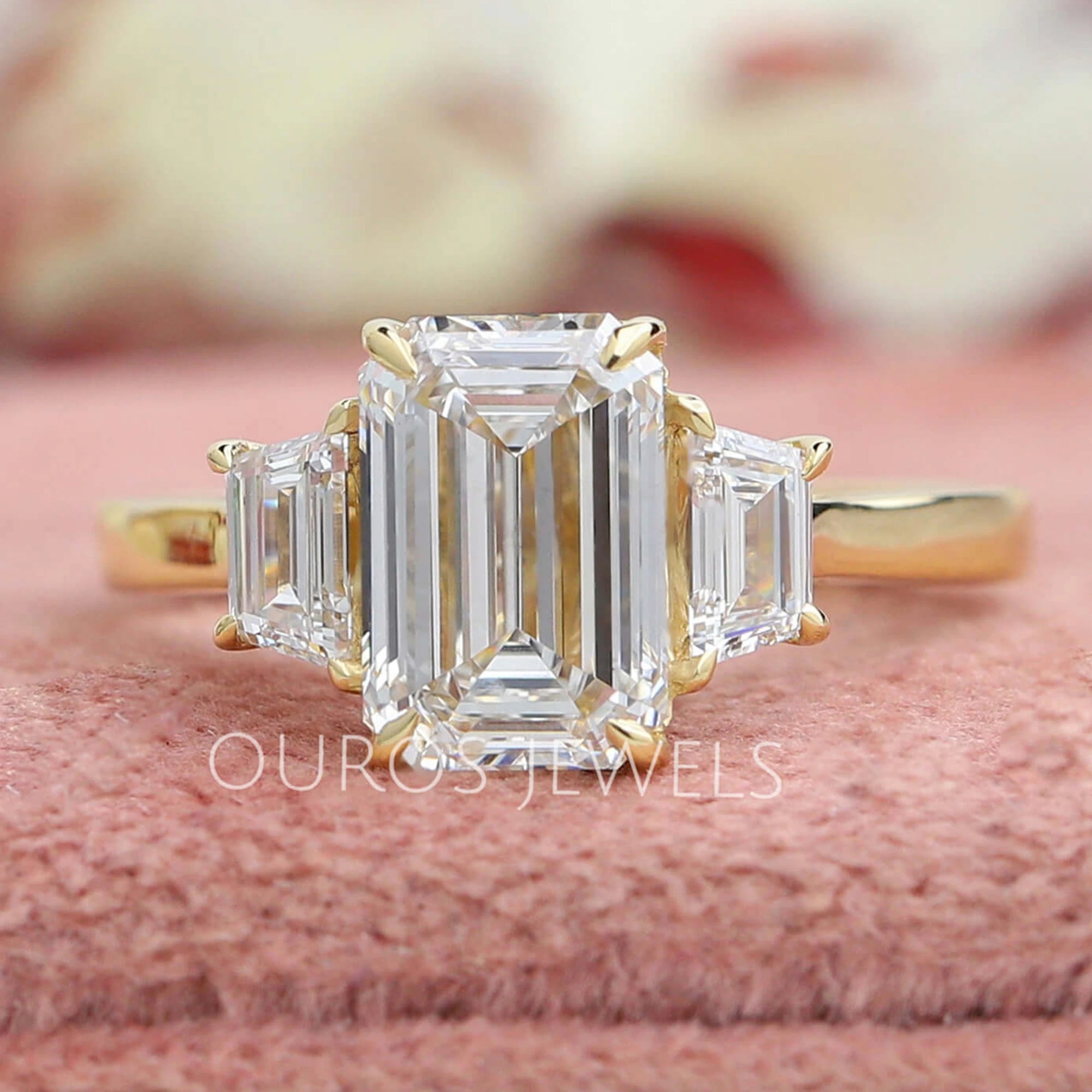
Emerald: A rectangular step-cut known for its long, elegant lines and "hall of mirrors" effect.
-
Pear: A unique teardrop shape that combines the best of the round and marquise cuts.
Caring for Your Jewelry: Tips for a Lifetime of Shine
Proper care will ensure your jewelry remains as beautiful as the day you received it.
-
Regular Cleaning: Clean your pieces at home with a soft toothbrush and a solution of warm water and mild dish soap. This gently removes oils and grime that dull the stone's brilliance.
-
Safe Storage: Store each piece of jewelry separately in a fabric-lined box or pouch to prevent scratching.
-
Avoid Harsh Chemicals: Remove your jewelry before using household cleaners, swimming in chlorinated pools, or applying lotions and hairsprays.
-
Professional Check-ups: We recommend having your fine jewelry professionally inspected once a year. A jeweler can check for loose prongs and give your pieces a thorough, deep cleaning.
Frequently Asked Questions (FAQs)
Are lab-grown diamonds a good investment?
While natural diamonds have historically held resale value, a lab-grown diamond offers incredible upfront value. The decision depends on your priorities: a long-term asset or a larger, higher-quality stone for your budget.
Which of the 4Cs is most important?
Most experts agree that Cut is the most critical factor, as it has the greatest impact on a diamond’s sparkle and beauty.
How do I find out my partner’s ring size without them knowing?
You can discreetly borrow a ring they already wear (on the correct finger) and take it to a jeweler. You can also use our printable Jewelry Size Master guide for an at-home measurement.
What is the difference between white gold and platinum?
Platinum is a naturally white metal that is denser and more durable than gold. White gold is an alloy of yellow gold and white metals, plated with rhodium for a bright white finish. Platinum is hypoallergenic and requires less maintenance over time.
How can I be sure my diamond is ethically sourced?
All natural diamonds from Ouros Jewels adhere to the Kimberley Process, an international certification system that prevents conflict diamonds from entering the market. For complete peace of mind, lab-grown diamonds offer a fully traceable and ethical alternative.
Does Ouros Jewels offer custom designs?
Yes, we specialize in creating custom jewelry. Our experts will collaborate with you from stone selection to final polish to craft a piece that is uniquely yours. Book an appointment to start your design journey.
Your Journey to the Perfect Piece
This jewelry buying guide provides the foundational knowledge you need, but the final choice is a personal one. It is about finding the piece that speaks to you, that fits your style, and that symbolizes your unique story. Take your time, ask questions, and trust your instincts. The perfect piece of jewelry is not just an accessory; it’s a future heirloom waiting to be discovered.
Ready to explore your options with an expert?
Browse our exquisite collection of Engagement Rings or contact us for a free consultation to find the jewelry of your dreams.
POPULAR BLOGS



Hot categories
Comment:
Your email address will not be published. Required fields are marked *