The Science of Smartphone Protection: Why ShakerCase Stands Out
-
by John Mike
-
February 13, 2026
-
190 comments
-
8 Minutes read
-
608 views
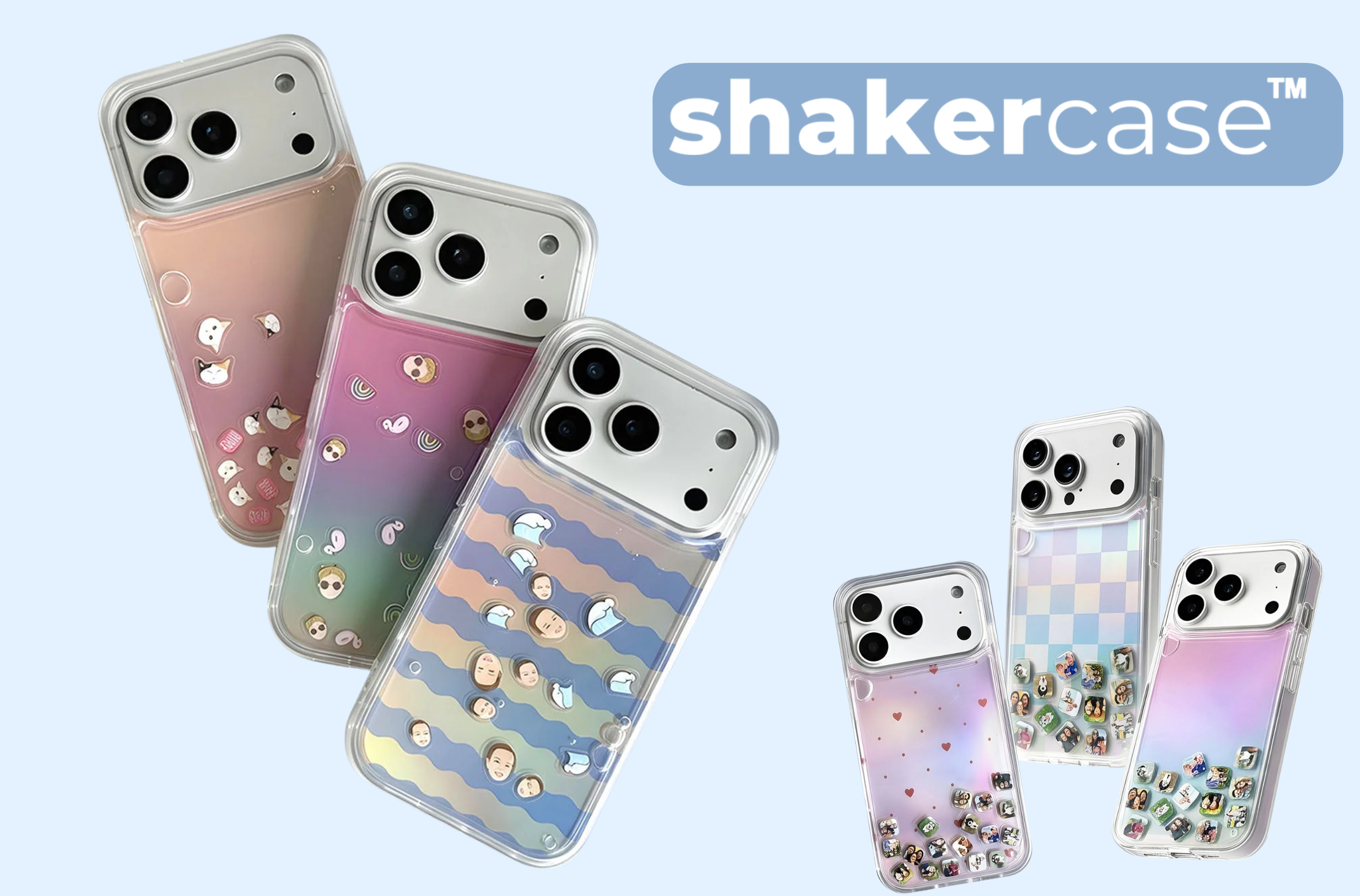
Your smartphone is a marvel of modern engineering, packing supercomputer power into a delicate sliver of glass and metal. It’s also incredibly fragile. One accidental drop can lead to a spiderweb of cracked glass and a hefty repair bill. This universal fear has created a billion-dollar industry for phone cases, yet most people have no idea how they actually work.
Is a thicker case always better? What makes one material more protective than another? It’s not magic; it’s physics.
Understanding the science of smartphone protection can help you make a smarter choice, one that safeguards your investment without sacrificing your personal style. This guide will break down the core principles of impact absorption, material science, and design engineering, explaining exactly what makes a phone case effective and why a brand like ShakerCase is a masterclass in this technology.
The Physics of a Falling Phone: Force and Impact
When your phone falls, it accelerates due to gravity, building up kinetic energy. The moment it hits the ground, that energy needs to go somewhere. If your phone is unprotected, the energy transfers directly into the device’s rigid frame and glass screen, causing them to bend, flex, and ultimately shatter.
A protective phone case is designed to interrupt this process. Its primary job is to absorb and redirect the kinetic energy away from the phone itself. It does this in two main ways:
-
Impact Absorption: The case material deforms or compresses upon impact, absorbing the force much like a car's crumple zone.
-
Force Distribution: The case spreads the impact force over a larger surface area, preventing it from concentrating on a single, vulnerable point like a corner.
A well-engineered case manages this energy transfer so effectively that the phone inside remains unscathed.
Material Science: Not All Plastics Are Created Equal
The material of a phone case is the single most important factor in its protective capabilities. You will often see terms like TPU, PC, and silicone. Here’s what they mean and why the blend matters.
Thermoplastic Polyurethane (TPU)
TPU is a flexible, rubber-like plastic. It is the gold standard for shock absorption. Its soft, elastic nature allows it to deform upon impact, soaking up a significant amount of force. It also provides excellent grip, reducing the chances of dropping your phone in the first place. This is the material often used for the bumpers and sides of high-quality cases.
Polycarbonate (PC)
Polycarbonate is a hard, rigid plastic known for its incredible durability and shatter resistance. It’s the same material used to make bulletproof glass and riot shields. In a phone case, PC is typically used for the backplate. Its rigidity prevents direct impact from reaching the back of your phone and provides structural integrity, stopping the device from twisting or bending during a fall.
Silicone
Silicone is very soft and grippy but offers less structural protection than TPU or PC. While it can absorb minor shocks, it can also stretch out over time and tends to attract lint and dust. It’s a good material for basic scratch prevention, but it falls short in serious drop protection.
The Hybrid Advantage
The best phone cases, including those from ShakerCase, use a hybrid or "co-moulded" design that combines TPU and PC. ShakerCase utilises a flexible TPU bumper to absorb corner impacts and a hard PC backplate to defend against scratches and direct hits. This dual-layer approach provides the benefits of both materials, offering comprehensive protection without excessive bulk.
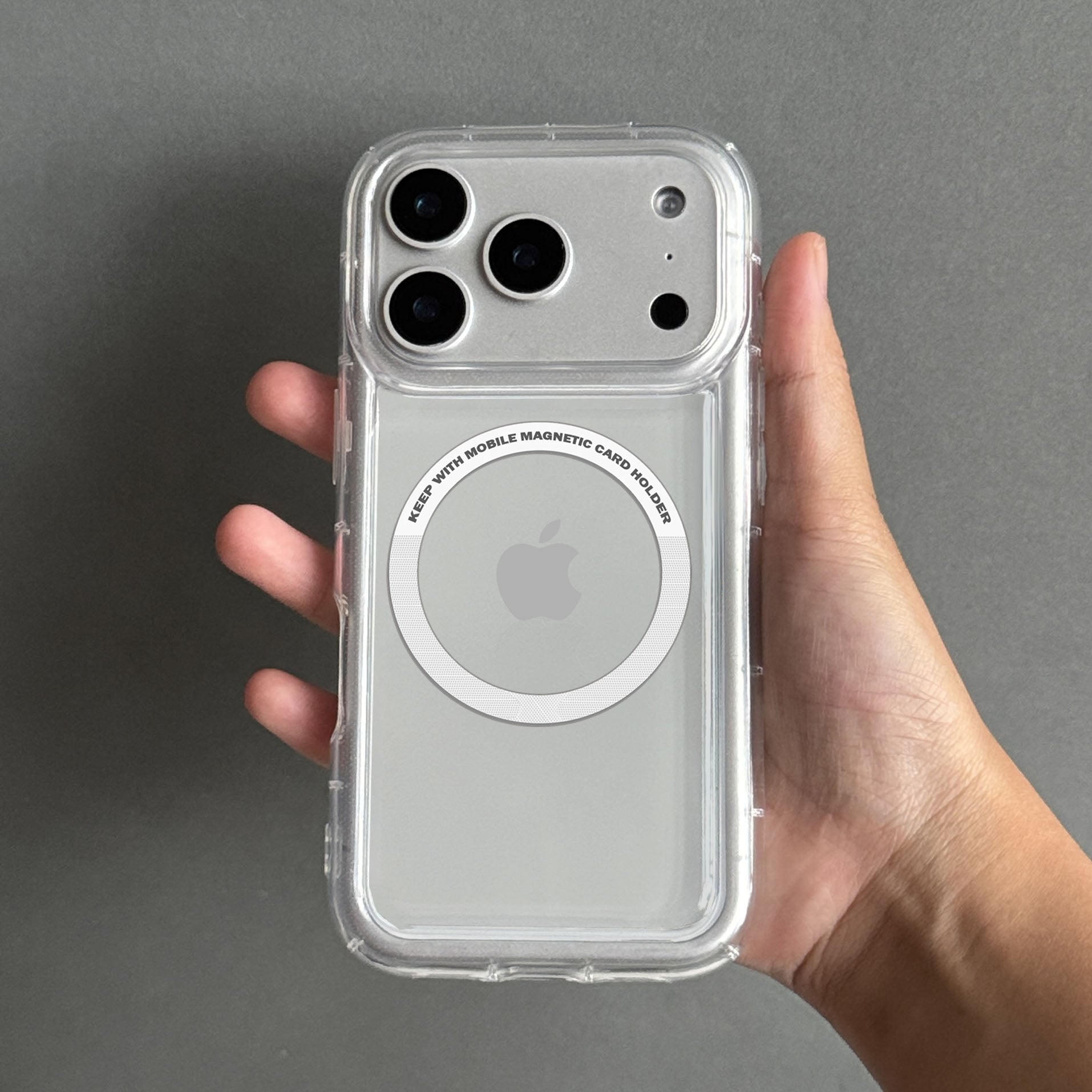
See How ShakerCase Combines Style and Engineering
Design Engineering: Beyond Just Materials
A great case is more than a slab of plastic. Smart design features dramatically multiply its protective power.
Raised Bezels (The Screen’s Bodyguard)
A raised bezel is a small lip of material that extends a few millimetres above the screen and the rear camera. This simple feature is critically important. When your phone falls flat on its face, the bezel makes contact with the ground, creating a buffer zone that prevents your screen from ever touching the surface. Without a raised bezel, even a minor face-down drop can be catastrophic.
Air Pockets and Reinforced Corners
The corners are the most common impact points. Some of the most advanced cases, including many ShakerCase models, integrate "air pocket" technology into the corners. These tiny pockets of air act like miniature airbags, compressing upon impact to cushion the blow and dissipate force away from the phone’s delicate internal components.
Secure Fit and Button Responsiveness
A case is useless if it’s loose. A snug fit ensures that the phone doesn’t rattle around or, worse, pop out during a fall. High-quality cases are precision-moulded to fit the specific phone model perfectly. This includes ensuring the buttons remain "clicky" and responsive, and that ports are easily accessible without compromising the case’s structural integrity.
ShakerCase: Where Science Meets Self-Expression
Understanding the science makes it clear why a brand like ShakerCase stands out from the thousands of generic options on the market. They don’t just focus on one aspect of protection; they integrate all of them.
-
Hybrid Materials: They use a proven combination of shock-absorbing TPU and a rigid PC backplate.
-
Engineered Design: Their cases feature essential raised bezels and reinforced bumpers for 360-degree protection.
-
Added Durability: The unique "shaker" design, which houses custom charms, adds another layer of depth and rigidity to the case, further protecting the artwork and the phone itself from scratches.
Unlike minimalist skin cases that only protect against scuffs, or overly bulky "tough" cases that are impractical for daily use, ShakerCase strikes the perfect balance. They deliver robust, scientifically sound protection in a package that is fun, interactive, and fully personalised.
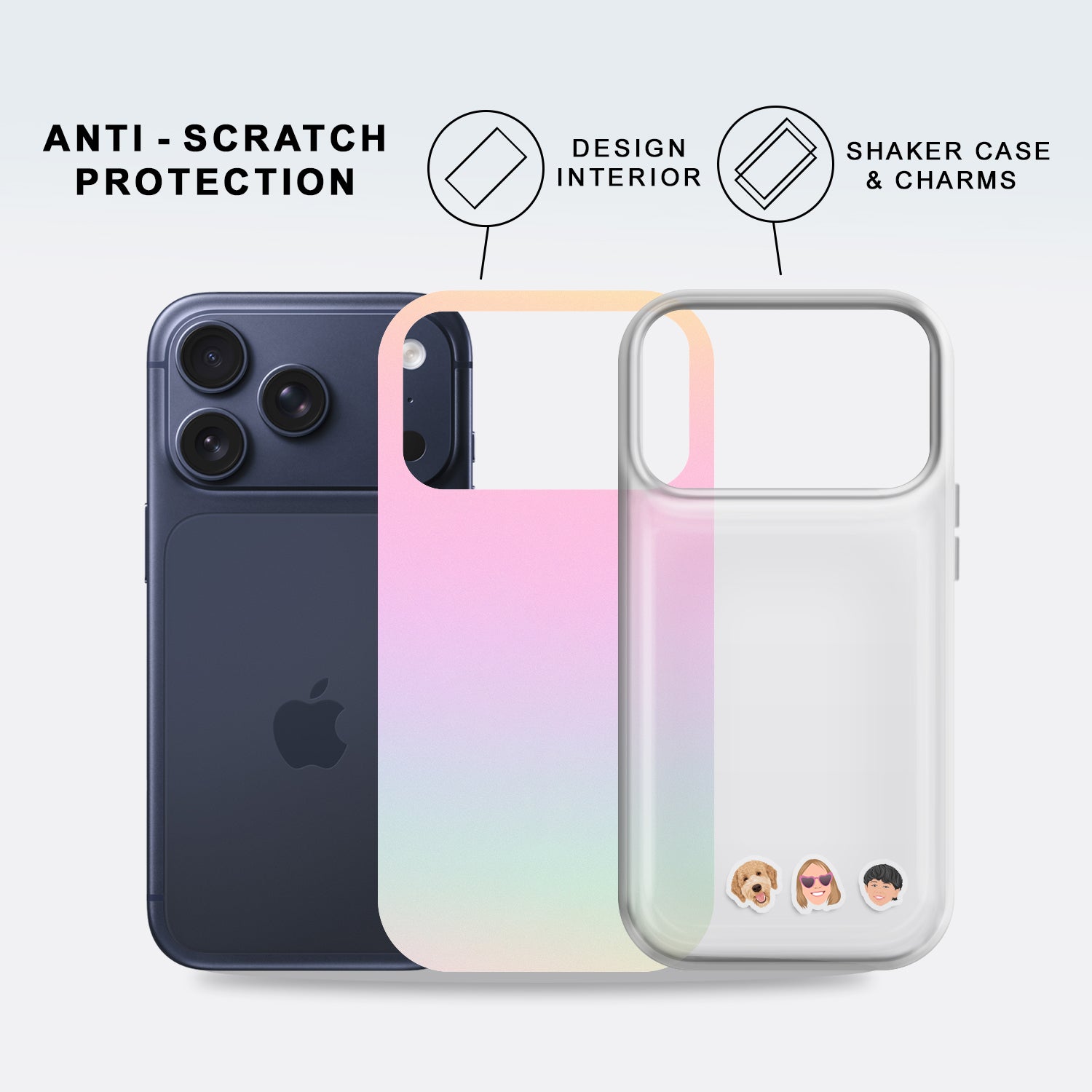
Build a Case That Protects Your Phone and Shows Your Style
Buying Considerations for Your Next Phone Case
Armed with this knowledge, here is what you should look for.
Pros & Cons of Different Case Types
-
Slim/Skin Cases:
-
Pros: Lightweight, preserves the phone's original feel.
-
Cons: Minimal to no drop protection. Only protects against minor scratches.
-
Bulky/Rugged Cases:
-
Pros: Maximum drop protection.
-
Cons: Very heavy, unattractive, and makes the phone difficult to fit in a pocket.
-
Hybrid Cases (like ShakerCase):
-
Pros: Excellent balance of protection and style, durable materials.
-
Cons: Slightly thicker than a slim case.
Ultimately, a hybrid case offers the most practical solution for the average person. It provides peace of mind without turning your sleek smartphone into a brick.
An Investment in Peace of Mind
A phone case is not just an accessory; it’s a piece of protective equipment. The science behind how it absorbs energy, the quality of its materials, and the intelligence of its design are what separate a reliable shield from a useless decoration.
By choosing a case that leverages hybrid materials and smart engineering like the dual-layer system found in a ShakerCase, you are making a conscious decision to protect one of your most valuable daily tools. You get the fun of custom charms and vibrant designs, backed by the confidence of knowing your phone is safe from the inevitable bumps and drops of life.
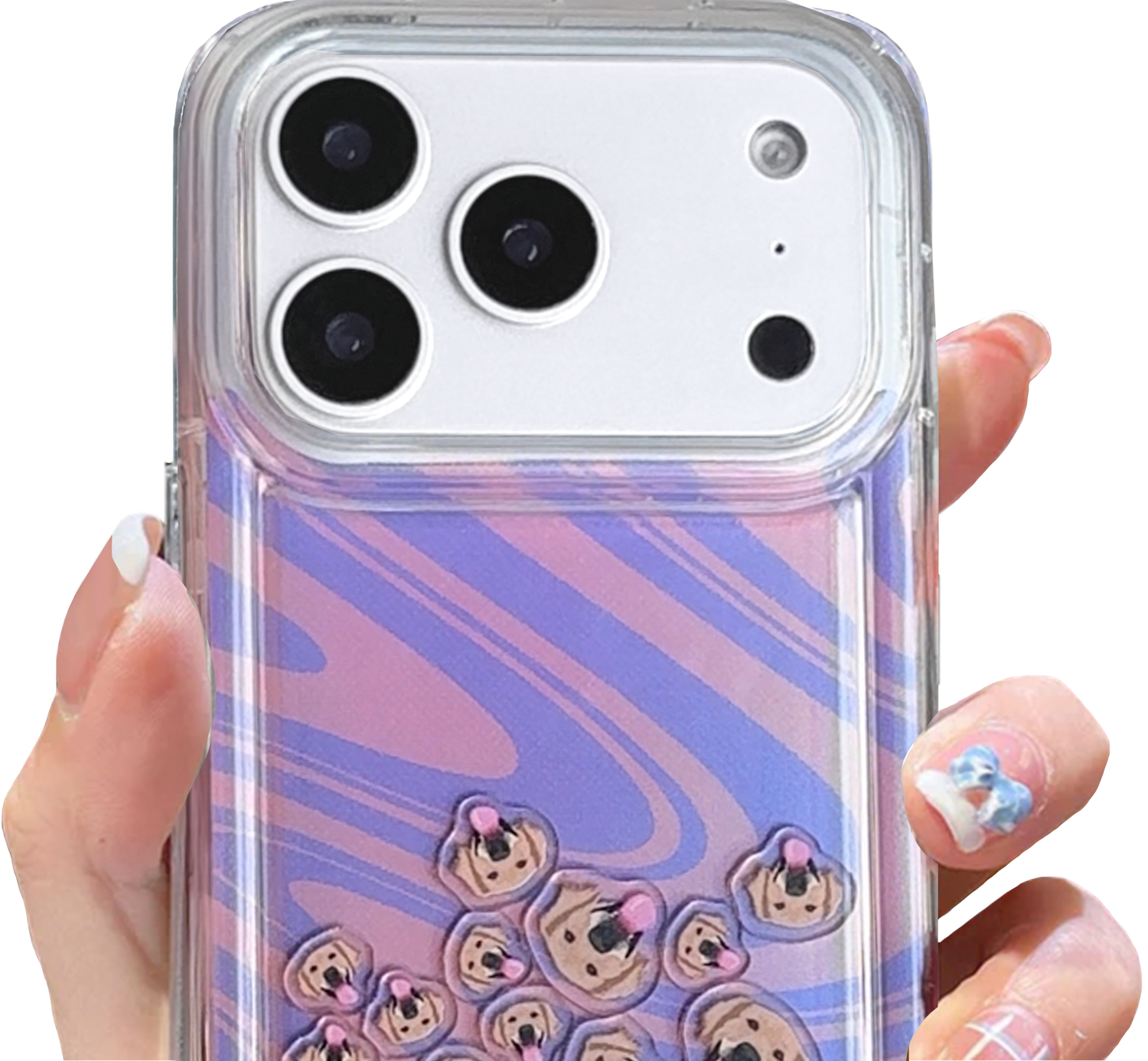
Explore the ShakerCase Collection Here
Frequently Asked Questions (FAQ)
Is a thicker phone case always more protective?
Not necessarily. While thickness can help, the material and design are more important. A well-engineered hybrid case made of TPU and polycarbonate can be more protective than a thick, poorly designed case made from a single, cheap material.
What does "dual-layer protection" mean?
Dual-layer protection refers to a case made from two different materials, typically a soft, shock-absorbing inner layer (like TPU) and a hard, scratch-resistant outer shell (like PC). This combination provides comprehensive protection against both drops and surface damage.
Will a phone case protect my screen from cracking?
A good phone case significantly reduces the risk of screen damage. Features like shock-absorbing corners and a raised bezel are specifically designed to protect the screen. However, no case can guarantee 100% protection against extreme impacts or direct hits to the screen.
Does the material of a clear case matter?
Yes. Cheap clear cases are often made from materials that yellow quickly when exposed to UV light and offer little impact resistance. High-quality, clear cases, like those used by ShakerCase, use advanced polymers that resist yellowing and are engineered for durability.
Why is corner protection so important in a phone case?
The corners are the most vulnerable part of a phone. An impact on a corner concentrates the force into a small point, which can send a shockwave through the glass screen, causing it to shatter. Cases with reinforced, shock-absorbing corners are crucial for preventing this type of damage.
POPULAR BLOGS



Hot categories
Comment:
Your email address will not be published. Required fields are marked *